Manufacturer · Fashion Accessories



Sewing accessories are all the components a garment factory adds to the fabric to produce a finished garment: hardware for fastening and reinforcement, haberdashery such as elastics and tapes, threads, buttons, zips and labels. To run without downtime, a factory needs to keep the core accessories in stock in the most commonly used sizes and colours, and to order model-specific items in good time. Below you will find a practical checklist, organised by group, plus tips on planning your stock.
Sewing accessories vs sewing materials – what is the difference
In everyday use, "sewing materials and accessories" are often mentioned together. Materials usually means fabrics, linings and fusible interlinings – everything the pattern pieces are cut from. Accessories are the additions fitted to the cut garment. The distinction matters for costing: materials are calculated per metre, while accessories are calculated per piece or per set for one garment.
Sewing accessories checklist by group
Fastening
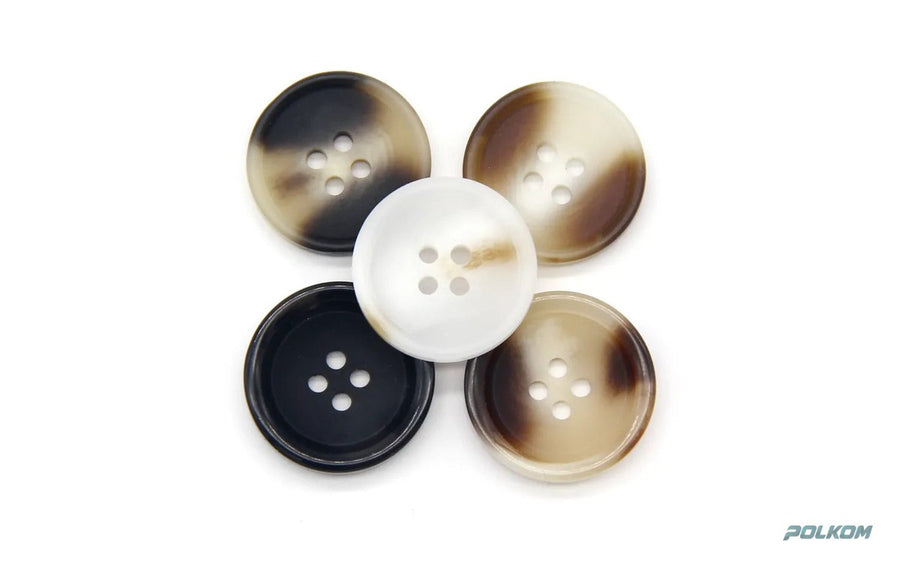
- Buttons – polyester, metal, corozo, mother-of-pearl, depending on the factory's product range.
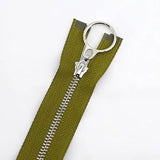
- Zips – nylon coil, metal, moulded plastic and invisible, in various lengths and sizes.
- Hooks and bars for trouser and skirt waistbands.
- Wire hooks and eyes for dresses and lingerie.
- Snap buttons – press-on and sew-on.
- Hook and loop tape for children's clothing and workwear.
Reinforcement and openings
- Rivets for jeans pockets and work trousers.
- Eyelets with washers for cords and laces.
Adjustment
- Buckles and rings for belts, shoulder straps and straps.
- Cord stoppers and cord ends.
- Elastics – knitted, woven, wide and narrow.
- Cords – flat and round.
Decoration and branding
- Labels – woven, printed, leather, care and composition labels and hang tags.
- Metal logo plates and zip pullers with logo.
- Ribbons – satin, grosgrain, organza.
- Lace and embroidery.
Consumables
- Sewing threads for main seams and overlocking.
- Machine needles suited to the type of fabric.
- Fusible interlining and reinforcement tapes.
- Tailor's chalk, markers and ball-head pins.
Which sewing accessories to keep in stock
There is no point in keeping everything. Divide your accessories into three categories:
- Core items – used in every order: threads in the main colours, black and white elastics, standard hooks and bars, black and white zips in the most common lengths. These articles are ordered regularly and kept permanently in stock.
- Seasonal items – depend on the collection: cord stoppers and eyelets for jackets in autumn, beachwear accessories in spring. Order them a few weeks before cutting starts.
- Model-specific items – hardware with logo, finishes matched to a sample, the client's own labels. Order these only after a sample has been approved; they usually arrive shortly before production.
Table: accessories by garment type
| Garment | Essential accessories | Optional |
|---|---|---|
| Classic trousers | Invisible or metal zip, hook and bar, button | Label, reinforcement tape |
| Jeans | Metal zip, jeans button, rivets | Leather label, metal logo plate |
| Dress | Invisible zip, wire hook and eye | Satin ribbon, lace |
| Sweatshirt | Nylon coil zip, cord | Eyelets, cord ends, cord stoppers |
| Jacket | Zip, snap buttons | Cord stoppers, zip pullers, eyelets |
| Skirt | Invisible zip, hook and bar | Elastic, label |
Sewing accessories by factory profile
The checklist above is universal, but every factory has its own profile and therefore different sourcing priorities.
- Trouser and skirt factory – the main consumption is invisible and metal zips, hooks and bars, waistband buttons and reinforcement tapes. Here it is important to keep the hooks and bars in the same sizes for the whole series, so the press does not have to be reset.
- Denim factory – rivets, jeans buttons, metal zips, leather labels and logo plates. The finishes must withstand stone and enzyme washing.
- Sportswear and children's clothing factory – nylon coil zips, cords, cord stoppers, cord ends, elastics and plastic accessories that are light and do not rust.
- Formalwear atelier – wire hooks and eyes, invisible zips, mother-of-pearl and horn buttons, satin ribbons and lace in small quantities but in a wide range of colours.
- Bag workshop – buckles, rings, eyelets, metal logo plates and strong, heavier threads.
How to organise sewing accessories in the factory
Good organisation saves more time than you might think. Here are a few practices that work in factories of all sizes:
- Sort hardware by function and size, not by supplier. That way the machinist quickly finds a hook and bar or an eyelet in the right size.
- Keep one sample from every batch, especially for metal hardware. The shade of the finish can vary between batches.
- Record accessory consumption per garment in the technical sheet. This makes the next order accurate.
- Store metal accessories in a dry place, in closed bags. Moisture can affect some finishes.
- Set rejected items aside immediately so they do not end up in finished goods.
Common mistakes when sourcing sewing accessories
- Ordering without a sample. The colour of a zip or the finish of an eyelet looks different in a photo and in real life.
- Accessories from different suppliers with different finishes. The "antique brass" shade is not the same at every manufacturer.
- Press-on accessories without suitable dies. The eyelet or rivet goes in crooked and tears the fabric.
- Too small a reserve. Series production always involves rejects and losses; plan a reserve above the required quantity.
You will find the full range of hardware in the accessories category, and the soft trims in haberdashery and threads.
Sewing accessories from Polkom
Polkom has been manufacturing and wholesaling garment accessories for over three decades. Factories, ateliers and brands from all over Europe can source hardware, buttons, zips, labels and haberdashery from one place – more than 10,000 articles with large stock availability. We make samples quickly and deliver across the EU. Send us your list of required accessories via the contact page and we will get back to you with a quote.