 Manufacturer · Fashion & Home Accessories





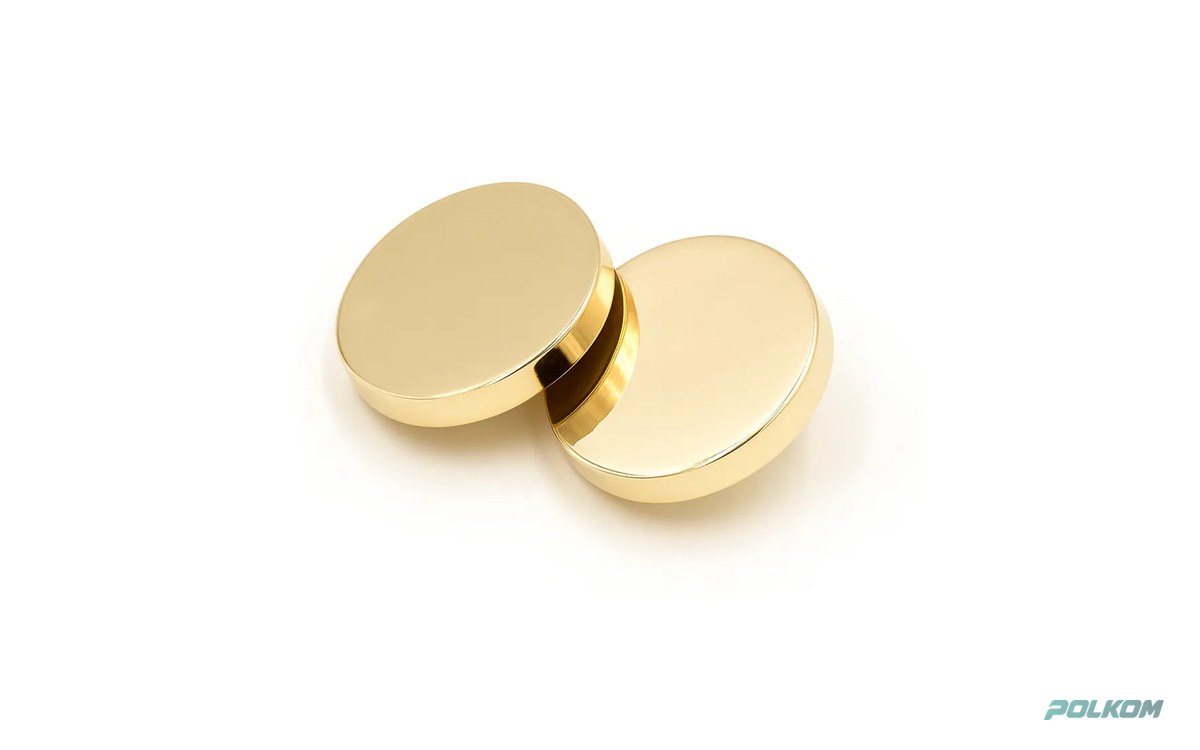
To clean brass buttons, use warm water, mild soap and a soft brush; this method is safe for every type. Polishing with brass paste, lemon or vinegar is only acceptable on solid brass with no lacquer and no plating. Lacquered, gold-plated, antique-finish and enamelled buttons should not be polished, because the abrasive strips the protective or decorative layer. So the first step is always to find out what kind of button you have.
Before cleaning: what kind of button do you have?
Many buttons look like brass but are a gold-colour finish over another metal. Others are brass but protected by a clear lacquer. A few simple checks help you decide which method is safe:
| Check | What you see | What it means for cleaning |
|---|---|---|
| Magnet | The button is attracted | Plated steel base: soap only, no polishing |
| Magnet | Not attracted | Brass or zinc alloy: check further |
| Look at the edges and the back | A different colour where the layer has worn | Plated: do not polish |
| Even, glassy shine, peeling patches | Clear lacquer | Do not polish; mild soap only |
| Dark recesses and lighter edges | A deliberate antique finish | Polishing will wipe out the effect |
| The same warm colour throughout, patina in the relief | Probably solid brass | Can be polished carefully |
If you are not sure, assume the button is plated and use only the gentle method. More about materials and finishes in our article on metal button finishes.
How to clean brass buttons: the basic method
This method suits all metal buttons: solid brass, lacquered, plated and antique.
- Protect the fabric. If the button is sewn on, cut a slot in a piece of card, slide it under the button and clean over the card. That way water and cleaner do not soak into the garment.
- Make a solution of warm water and a few drops of neutral washing-up liquid.
- Clean with a soft toothbrush in small circles, especially in the relief and around the shank.
- Rinse with a cloth dampened in clean water.
- Dry immediately with a soft cotton or microfibre cloth. Moisture left in the relief speeds up tarnishing.
How to polish brass buttons
Polishing removes the thin oxide layer and brings back the shine, but it also removes a little metal. Do it only on solid, unlacquered brass and only when needed.
With brass paste or liquid polish
Apply a small amount with a cotton cloth, rub gently, leave it as long as the instructions say and buff with a dry cloth. Brush residue out of the relief with a soft brush, otherwise it dries white. The protective card is a must, because most polishes stain textiles.
With household products
- Lemon and salt: half a lemon dipped in salt, or a paste of lemon juice and baking soda;
- Vinegar and salt: for removed buttons, a short soak and a light scrub;
- Non-gritty toothpaste: for light tarnish.
Acids work fast, so rinse very thoroughly afterwards and dry. Acid and salt residue causes new, sometimes greenish, tarnish. Never soak buttons that are still sewn to the garment.
Protection after polishing
A thin coat of metal wax slows down re-tarnishing. Many people, though, prefer to let brass age naturally; the soft tone of patina is part of a blazer's charm.
How to clean old and antique brass buttons
With old, military and collectible buttons the rule is "less is more". Patina is often a sign of authenticity, and aggressive polishing can lower a button's value and wear away fine relief details. Old gilt buttons carry a very thin layer of gold that disappears with the first polish.
- clean only with soapy water and a soft brush;
- remove greenish deposits (verdigris) in the relief carefully with a wooden toothpick, never with metal tools;
- avoid ammonia, bleach and quick silver-dip products;
- test every method first on the back or on the least valuable button;
- let them dry completely before storing them in a paper envelope or box.
How to clean metal buttons with a plated finish
Buttons in gold, nickel colour, gunmetal, black, antique silver or with enamel are cleaned only by the basic method: warm water, mild soap, a soft cloth. Do not use polishing pastes, baking soda, steel wool, silver cleaners or bleach. They strip the finish and expose the base metal, which then tarnishes unevenly. If the finish is already worn through, the only lasting fix is replacing the button. For protecting buttons in the wash and dryer, read can metal buttons go in the dryer.
Common cleaning mistakes
- polishing a lacquered button: the lacquer wears off in patches and the button looks worse than before;
- abrasive paste on a gilt or antique-finish button;
- cleaning without protecting the fabric, leaving cleaner stains around the button;
- leaving the button wet or with lemon and salt residue;
- putting buttons with enamel or glued stones in an ultrasonic cleaner.
How to store brass buttons
Keep spare and removed buttons dry, in a paper envelope or a compartment box, away from rubber and from products that give off sulphur fumes and speed up tarnishing. Never put them away damp. For garments with brass buttons that are worn rarely, use a breathable fabric cover instead of plastic, so no condensation collects. The buttons will then need cleaning far less often. If you keep large quantities of buttons in a warehouse or factory, store them in their original packaging in a dry, ventilated place, and open only as many packs as the production run needs.
For brands: finishes that never need polishing
If you are developing a blazer, coat or uniform, think about maintenance when you choose the button. Unlacquered solid brass is beautiful but needs care. Buttons with a good electroplated finish or lacquer keep a uniform colour and only need a wipe. Polkom is a manufacturer of metal buttons and men's buttons in several shades of gold, brass and antique, and all our metal accessories are nickel free. We send samples so you can test the finish under your own washing and dry-cleaning conditions. For a quote, contact us.


