 Manufacturer · Fashion & Home Accessories











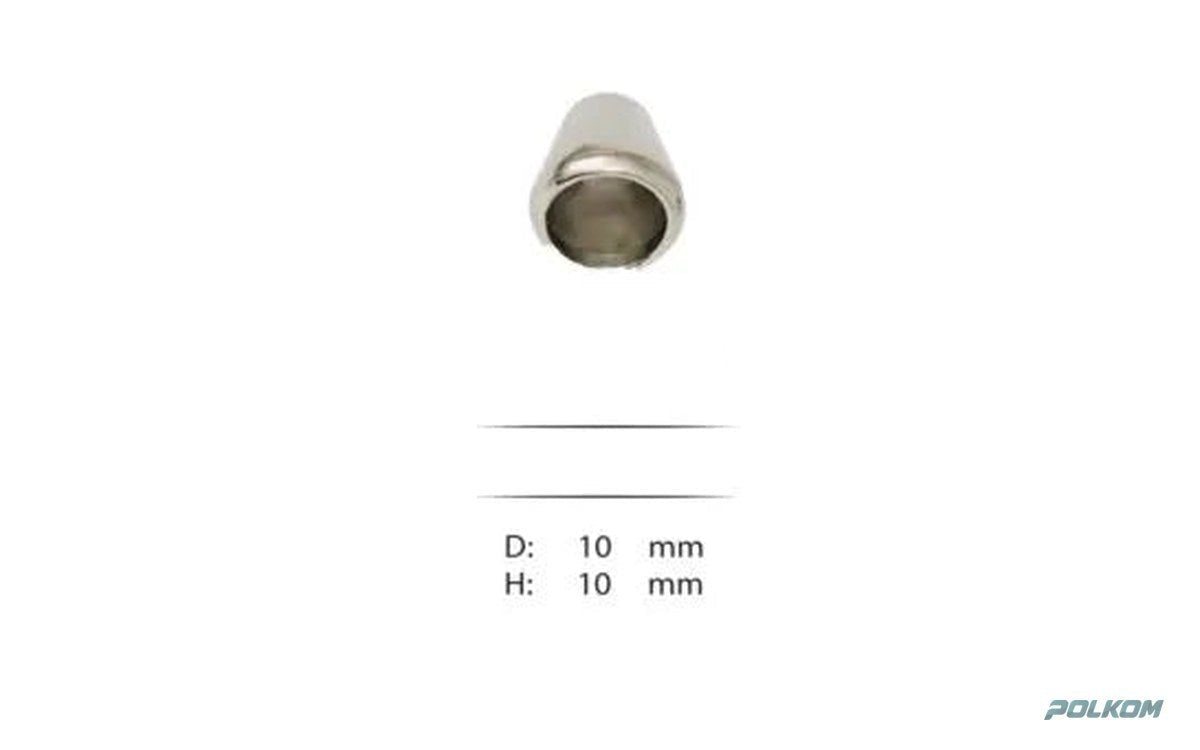
What is the end of a shoelace called? In English it is called an aglet (sometimes spelt aiglet), and in the trade the terms cord end or lace tip are also used – for shoelaces, cords and tapes. It is the small plastic or metal sleeve at the end of the lace that stops the yarns from fraying and lets the lace pass easily through the eyelets of the shoe.
What the end of a shoelace is called in different languages
The word aglet comes from the Old French aguillette – "little needle". The name describes the function exactly: the aglet makes the soft end of the lace as stiff as a needle so that it can be threaded easily through holes.
| Language | Term |
|---|---|
| Bulgarian | nakraynik (for laces, cords), colloquially "the plastic bit of the lace" |
| English | aglet, less often aiglet |
| German | Schnürsenkelende, Pinke |
| Italian | puntale |
| French | ferret, aiguillette |
In the garment accessories trade, the expressions "cord ends", "lace tips" and "aglets" are used. It is important not to confuse them with end fittings from other fields – for tools, hoses or cables, which have nothing to do with clothing.
What an aglet is for
- It prevents fraying. Without an aglet, a braided or woven lace quickly unravels and becomes impossible to thread.
- It makes threading easier. The stiff end passes through the eyelets of a shoe, the eyelets of a hood or the channel of a waistband.
- It adds weight. The ends hang straight and do not twist.
- It carries the look and the brand. Metal aglets with a finish or a logo are a recognisable design detail.
A short history of the aglet
Aglets have existed for centuries. Before buttons became widespread, clothes were fastened with laces, and metal aglets were essential – often decorative, made of brass, silver or even gold. With the arrival of buttons and the zip their role in clothing declined, but it remains key in footwear. Today the aglet is fashionable again in streetwear, on sweatshirts, joggers and trainers.
What an aglet is made of
Plastic
The most common aglet on shoelaces is a clear or coloured plastic sleeve (acetate or a similar plastic) that is heat-shrunk around the lace. It is light, inexpensive and suitable for automated production.
Metal
Metal aglets made of brass, zinc alloy or aluminium are crimped or glued. They are more durable and more upmarket and are used on fashion footwear, sweatshirts and accessories. More about them in the article on metal shoelace aglets.
Silicone and rubber
Soft aglets found on sports cords and children's models. They do not rattle or scratch.
Types of aglets by use
- aglets for shoe and sneaker laces;
- aglets for hood drawcords and jogger waist cords;
- aglets for flat cords, elastics and tapes;
- decorative aglets for bags, backpacks and jewellery;
- logo aglets for branding.
The aglet is chosen according to the thickness and shape of the cord and, for footwear, also according to the eyelet holes. If you are interested in footwear and leather goods, also browse the footwear and leather accessories category.
How an aglet is fitted to a lace
In production, plastic aglets are fitted by machine – the sleeve is wrapped and heat-shrunk. Metal ones are crimped with a press or fixed with glue. At home, a broken aglet can be temporarily replaced with heat-shrink tubing, glue or tape. Details in the articles on how to fit a cord end and on broken shoelace aglets.
Aglet, lace tip, cord end – which term to use
In everyday speech people say "the plastic bit of the lace", "the end of the lace" or "the tip". In the garment and footwear industry the terms "aglet" and "cord end" are used – for laces, cords, elastics and tapes. When searching online it is a good idea to add a qualifier such as "for laces" or "for cords", because the term "end" or "tip" is also used in many technical fields – for tools, hoses and car parts. In international correspondence with suppliers, use aglet or metal aglet.
Why the term matters for manufacturers
When sending an inquiry to a supplier, the exact name saves time. When you write "cord ends" or "aglets", also add:
- the type and thickness of the cord;
- the material – metal or plastic;
- the shape and the finish;
- whether you want a logo;
- the quantity and whether the cord should be delivered with the aglets fitted.
How to recognise a quality aglet
Whether you are buying shoelaces or ordering aglets for production, quality shows in a few signs:
- Tight fit. The aglet does not rotate or move along the cord.
- Smooth edge. The end of the aglet does not cut or chafe the cord when bent.
- Even finish. On metal models there are no stains, bubbles or uneven tone.
- Correct length. An aglet that is too short falls off, one that is too long bends and breaks.
- Durability in the wash. After several wash cycles the aglet has not fallen off, darkened or cracked.
The aglet in the footwear industry and in clothing
On footwear the aglet is almost always a plastic sleeve fitted by machine on long rolls of laces. In clothing the picture is different: the cords of hoods, joggers and jackets increasingly have metal aglets, because they are visible and carry the brand. In bags and backpacks aglets also act as stops that prevent the cord from slipping out of the adjuster. That is why the same manufacturer often uses several types of aglets across its different product lines.
Aglets from the manufacturer
Polkom is a Bulgarian manufacturer of accessories for fashion, furniture, footwear and bags, with over 30 years of experience. In the cord ends category you will find metal and plastic models for laces, cords and tapes, as well as production with a logo. For samples and a quote, write to us via the contact page.




