Manufacturer · Fashion & Home Accessories











Contents
A cardboard clothing box is chosen according to three things: how the product is sold (shop, online, gift), how valuable it is and how much space it takes up in storage. Rigid lid-and-base boxes and magnetic boxes give a luxurious feel, folding boxes save space and shipping, and corrugated mailer boxes survive a courier shipment without extra packaging.
Types of cardboard clothing boxes
Lid and base box
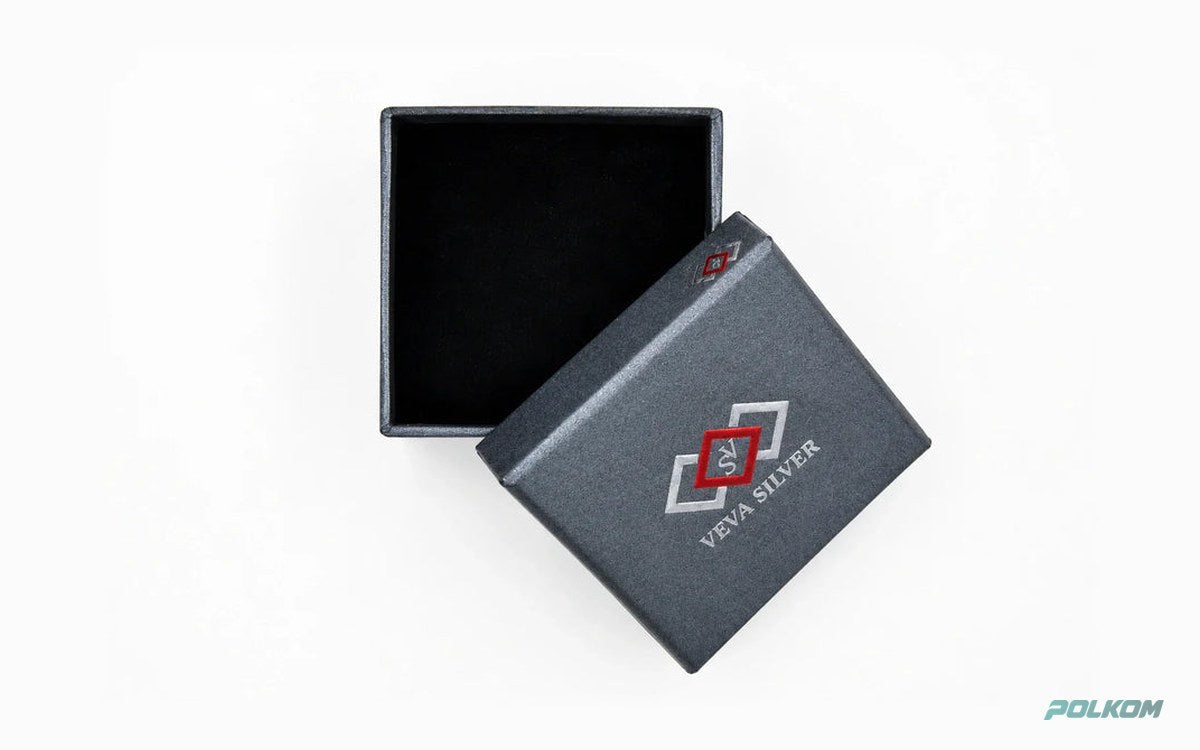
Two separate parts made of rigid board, wrapped in paper. The lid can cover the base completely or partially, so that a coloured band shows. This is the classic box for shirts, jumpers, ties and gift sets. Drawback: it does not fold and takes up volume in storage.
A variation on the same construction is the drawer box: an inner tray that slides out of a sleeve, often with a pull ribbon. It suits accessories, belts, underwear and small gift sets where opening is part of the experience.
Magnetic folding box
It looks like a rigid book-style box but is delivered flat and unfolded at packing. The lid closes with built-in magnets. It combines a premium look with savings in storage space – which is why mid- and upper-range online brands prefer it.
Single-sheet folding box
Die-cut and creased from a single sheet of board and assembled without glue or with minimal gluing. It suits underwear, socks, T-shirts and accessories in larger runs.
Window box
It has a cut-out, often covered with clear film, through which the customer sees the colour and the fabric. It suits children's sets, socks, scarves and shelf products.
Mailer box
Made of corrugated board, it locks with flaps and withstands courier shipping. The inside can be printed – so the unboxing stays branded even when the outside of the box looks modest.
Comparison of the types
| Box type | Feel | Storage | Courier-ready | Typical products |
|---|---|---|---|---|
| Lid and base | Luxurious | Takes up volume | Only in an outer carton | Shirts, knitwear, gifts |
| Magnetic folding | Luxurious | Flat | In an outer carton | Premium clothing, accessories |
| Single-sheet folding | Practical | Flat | Limited | Underwear, socks, T-shirts |
| Window | Display | Flat or rigid | In an outer carton | Children's sets, scarves |
| Corrugated mailer | Practical, eco | Flat | Yes | Online orders |
Which board
The type of board determines how strong the box is and how the print looks.
- Rigid grey board wrapped in paper – the basis of lid-and-base boxes and magnetic boxes. The board itself is not visible; the look comes from the wrapping paper, which can be printed, coloured, textured or metallic.
- White folding boxboard – a smooth surface on which full-colour printing looks bright and accurate.
- Corrugated board – board with a wavy middle layer that absorbs impacts. Thin flutes are used for mailer boxes, thicker ones for shipping cartons.
- Kraft – unbleached brown board or paper with a natural look.
The heavier the product, the denser the board needed. A coat or a set of several garments needs a stronger box than a single silk blouse. When you send an inquiry, state the approximate weight of the contents.
Finishing
The box itself is the "canvas", and the finishes determine whether it looks mass-market or premium. The most commonly used are:
- Hot foil stamping – gold, silver, copper or coloured foil for the logo.
- Embossing and debossing – a tactile logo without ink or in combination with foil.
- Soft-touch lamination – a matte, velvety surface that "softens" dark colours.
- Spot UV varnish – a gloss accent on a matte background.
- Uncoated kraft – a natural look for brands with eco positioning; printing works best in one dark colour.
A good rule is to choose one leading finish and at most one additional one. Foil, embossing, UV varnish and colour printing all at once rarely look more expensive – more often they look cluttered.
Inside the box
The garment must not shift, crease or rub against the board. That is what these are for:
- Insert made of board or foam – for accessories, belts, jewellery and sets of several items.
- Tissue paper with logo – wraps the garment and makes the first opening more striking.
- Pull ribbon – a satin or grosgrain ribbon under the base that makes heavy contents easy to lift out.
- Card – a thank-you note, care instructions or a discount code.
How to determine the size
- Fold the product the way it will be presented and measure length, width and height.
- Add room for the tissue paper and the insert – otherwise the lid will bulge.
- If you sell several sizes (S–XXL), check whether one box covers them all; often one box for tops and another for bottoms is enough.
- For online sales, check that the outer dimensions fit the courier's standard cartons or envelopes.
Box, bag or envelope
A box is the strongest tool for making an impression, but it is not always needed. In a shop the customer often leaves with a paper bag, and the box is used for gifts and premium lines. In online sales, the box replaces both the shop window and the packaging. See all formats in the cardboard boxes category.
Cardboard boxes with logo from Polkom
Polkom is a manufacturer based in Sofia, Bulgaria, with over 30 years of experience in accessories for fashion, furniture, footwear and bags. We offer and make to order cardboard boxes with your logo, which we coordinate with the brand's labels, hang tags and tissue paper – one manufacturer and one consistent look. Minimum quantities depend on the article. Send an inquiry with the product dimensions and the type of box you want.
Share this article