Manufacturer · Fashion & Home Accessories












OEKO-TEX Standard 100 is an international testing system for textile products and accessories for harmful substances. For accessories – buttons, zips, labels, elastics, ribbons, threads and metal accessories – an independent laboratory checks every material for regulated and non-regulated chemicals, such as formaldehyde, heavy metals, nickel release, phthalates and banned dyes. The limit values depend on the product class: they are strictest for baby articles. A certified accessory can be used in a certified garment without being tested again.
What OEKO-TEX Standard 100 is and why it applies to accessories
The standard applies at every stage of the textile chain – yarn, fabric, garment making – and covers all components of the finished product. If a garment carries the OEKO-TEX® label, all its parts must meet the requirements: the main fabric, lining, threads, labels, zip and buttons. That is why brands prefer accessory suppliers who already hold a certificate – the whole garment is then easier to certify, following the "building block" principle.
Product classes 1–4
| Class | Intended use | Accessory examples |
|---|---|---|
| I | Articles for babies and toddlers up to 36 months | Snap buttons for bodysuits, soft labels, elastics for babywear |
| II | Direct contact with the skin | Neck labels, lingerie elastics, shirt buttons |
| III | No or little contact with the skin | Jacket zips and buttons, linings |
| IV | Decoration materials | Ribbons and cords for furniture and decoration |
A higher class (lower number) means stricter requirements. An accessory certified in class I can also be used in class II–IV products, but not the other way round.
What is tested on different accessories
Metal accessories
For metal buttons, snaps, zips, eyelets and buckles, the key parameters are nickel release during prolonged skin contact, extractable heavy metals (lead, cadmium, chromium and others) and organotin compounds in the finishes.
Plastic and polyester accessories
For plastic buttons, moulded zips, stoppers and buckles, phthalates (plasticisers), polycyclic aromatic hydrocarbons, residual monomers and dyes are checked. Special attention is paid to soft plastics that small children chew or put in their mouths.
Textile accessories
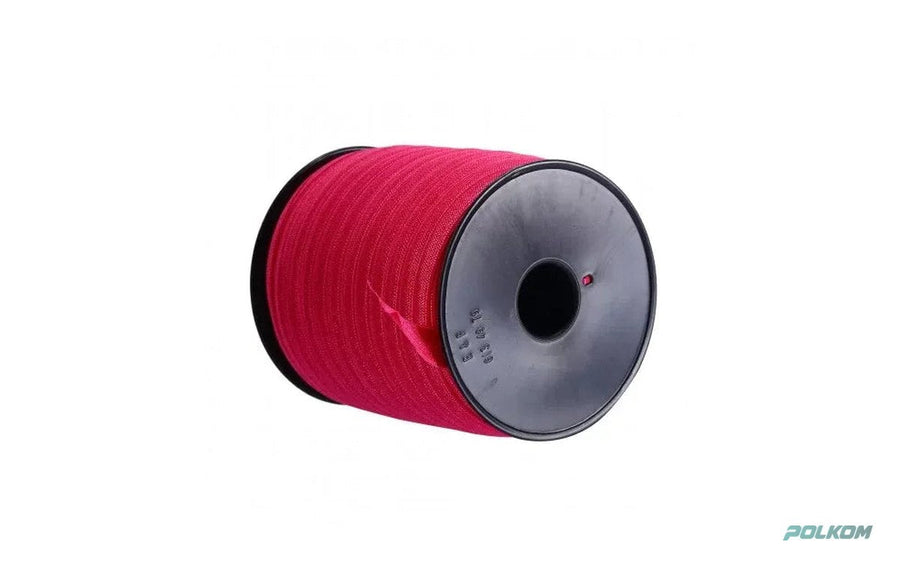
For labels, elastics, ribbons and threads, the tests include pH, formaldehyde, banned azo dyes and allergenic dyes, chlorinated phenols, perfluorinated compounds (PFAS) and colour fastness to perspiration and saliva.
Natural materials
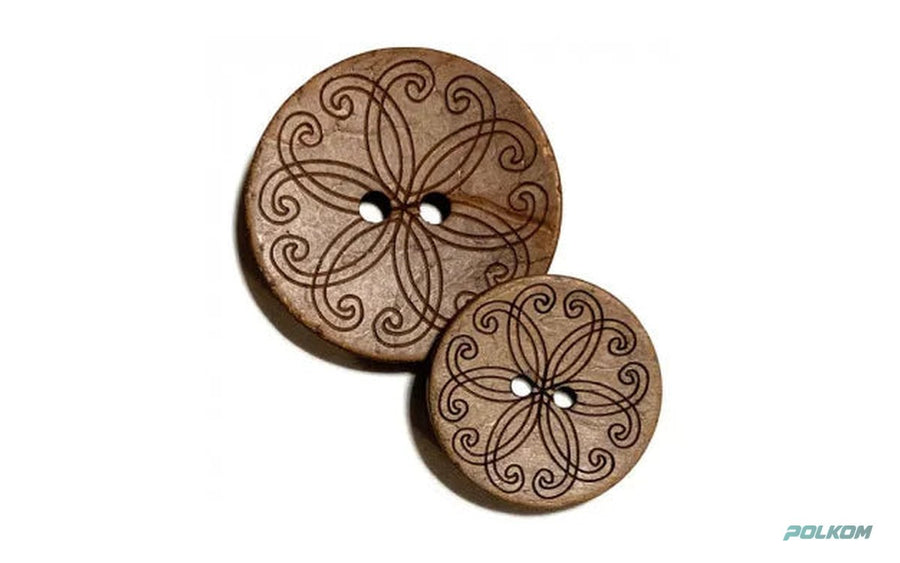
For corozo, mother-of-pearl, horn, bone, coconut and wood, the main checks are for processing residues – dyes, lacquers and preservatives.
OEKO-TEX 100 and the annual updates
The criteria and limit values are reviewed every year, usually taking effect at the start of the year with a transition period. So when searching for "OEKO-TEX 2026", what matters most is that the certificate is valid today and issued under the current version. Certificates are valid for one year and are renewed after new testing. An expired certificate does not cover new deliveries.
How to request and verify the certificate
- Request a copy of the certificate for the specific article or group of articles you are ordering.
- Check the scope – which materials, colours and finishes are included, and in which product class.
- Check the validity – the expiry date must be after the delivery date.
- Check the number online using the label check tool on the OEKO-TEX® website.
- Keep the document in the style's technical file – retail chains and customers often require it.
OEKO-TEX Standard 100 versus legal requirements
The standard is voluntary, but it incorporates the legal restrictions in the EU, such as REACH, and in places is stricter than them. It does not replace the brand's obligations under the GPSR or Regulation 1007/2011 on fibre composition labelling, but it makes it easier to show that the components are safe. The OEKO-TEX® label on a finished garment requires a certificate for the product itself – it is not enough for the accessories to be certified.
OEKO-TEX Standard and the other OEKO-TEX labels
There are several different certificates under the OEKO-TEX® brand, and they are often confused. For accessories the most important is Standard 100, but it is useful to recognise the others too:
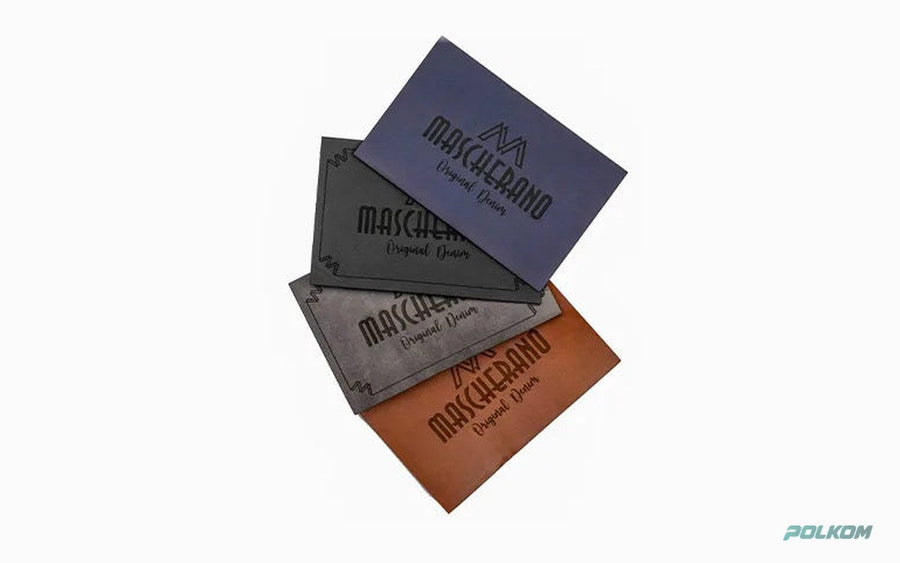
- LEATHER STANDARD – a similar testing system for leather and leather articles, such as leather labels.
- ECO PASSPORT – for chemicals, dyes and auxiliaries used in textile production.
- STeP – certification of production sites with regard to environment, chemicals and working conditions.
- MADE IN GREEN – a traceable label for finished products tested for harmful substances and made in certified facilities.
When comparing suppliers, clarify exactly which certificate they mean – "we have OEKO-TEX" can mean different things. For buttons, zips, elastics and labels, look for Standard 100 with a clearly stated product class and scope.
Common practical questions
- Does the certificate cover all colours? It depends on the scope – some certificates cover whole groups, others specific colours.
- Is the finish of a metal button included? Yes, the finished article with its finish is tested.
- Colour matched to a sample? The new dye must be within the scope of the certificate; confirm this in advance.
Certified accessories from Polkom
Polkom is a Bulgarian manufacturer of accessories for fashion, furniture, footwear and bags from Sofia, selling wholesale, with over 30 years of experience. An OEKO-TEX® certificate is available for all Polkom products – buttons, zips, labels, elastics, ribbons, threads and accessories. You will find more on the certificates page. List the articles in your inquiry and we will send you a copy of the certificate before you order.