Manufacturer · Fashion & Home Accessories











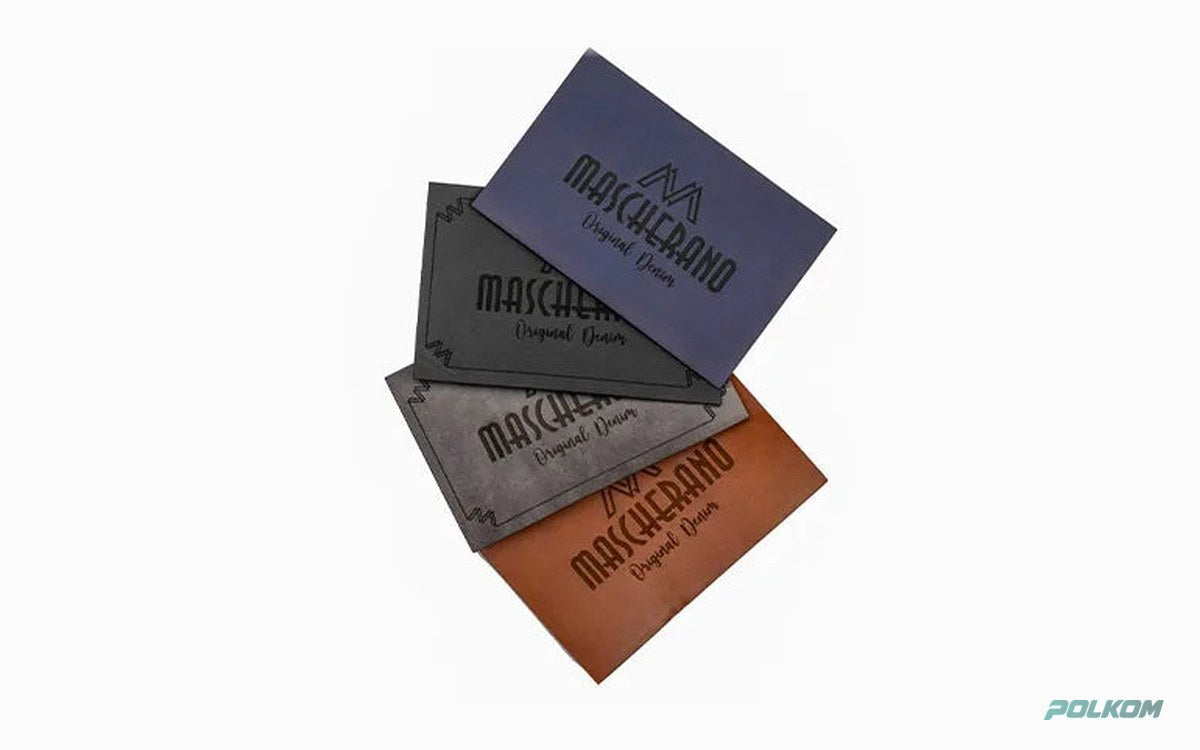
There are five main types of patches for clothing: embroidered, woven, printed, PVC/silicone (rubber) and leather, including faux leather. An embroidered patch is textured and classic. A woven patch reproduces fine detail and is thin. A printed patch reproduces photos and gradients. A PVC patch is soft, waterproof and has 3D relief. A leather patch gives a premium look to denim, caps and bags. The choice depends on the logo design, the garment material and how it will be washed and worn.
Comparison of patch types
| Type | Detail | Look and feel | Durability | Typical use |
|---|---|---|---|---|
| Embroidered | Medium – thick lines | Raised, textured | High | Uniforms, jackets, caps, club emblems |
| Woven | High – small text | Flat, thin, flexible | High | Shirts, T-shirts, sweatshirts, childrenswear |
| Printed | Very high – photos, gradients | Smooth | Medium to high | Complex logos, events, limited runs |
| PVC / silicone | Medium – clean outlines | Soft, rubbery, 3D relief | Very high, waterproof | Sportswear and outdoor, backpacks, workwear |
| Leather / faux leather | Medium – debossed or engraved | Natural, premium | High with proper care | Denim, caps, bags, outerwear |
Embroidered patches
The logo is embroidered onto a fabric base. The threads give volume and depth, so an embroidered patch is the classic choice for uniforms, jackets and caps. The limitation is very small detail. Text below 4–5 mm is hard to read. The price depends mainly on the stitch count, i.e. on the size and density of the embroidery. There is more on this in the article what determines the price of embroidery.
Woven patches
Woven patches are made on jacquard looms with very fine threads. This produces fine lines and small text that embroidery cannot achieve. The patch is thin and light and does not weigh down knitwear. There is a detailed comparison with printed patches in the article woven or printed patches.
Printed patches
The design is printed onto a satin or polyester base, most often by sublimation. Printing suits photos, illustrations and many colours. It is a good solution for events, collaborations and limited runs where the logo is colourful and complex.
PVC and silicone patches
PVC and silicone patches – often called rubber patches – are moulded. They are soft, flexible, resistant to water and abrasion and allow multi-level relief. That is why they are used on sportswear, outdoor clothing and workwear, as well as on backpacks. See our silicone labels for more examples.
Leather patches
A leather patch, most often on the waistband of jeans or on a cap, carries the logo by debossing, engraving or printing. It is made from genuine or faux leather. Genuine leather develops a patina over time, while faux leather is more stable in the wash. You will find styles in our leather labels section.
Attachment methods
- Sew-on – the most reliable attachment, suitable for all types.
- Iron-on – adhesive on the back, activated with a heat press. Fast in production, but for frequent washing it is best combined with stitching.
- Hook and loop (Velcro) – interchangeable patches for uniforms and tactical clothing.
- Self-adhesive – for packaging, bags and promotional items, not for garments that are washed.
How to choose the type of patch
- Look at the logo. Fine lines and small text – woven. A photo or gradient – printed. Volume and texture – embroidered. 3D relief – PVC.
- Think about the garment. Thin knitwear needs a light patch. Denim and leather can take a heavy one.
- Think about washing. For frequently washed garments and sportswear, PVC and woven patches are the most durable.
- Think about positioning. Leather and embroidery look more premium, PVC looks sportier.
Size, shape and border
The patch size is determined by its position. Chest and sleeve patches are usually 5–10 cm wide, cap patches 4–7 cm, while patches for the back of a jacket can be much larger. The shape can be rectangular, round, a shield or cut to the logo outline. On embroidered and woven patches the edge is finished with a merrow border or laser cut. A merrow border is more classic and does not fray. Laser cutting allows complex outlines and a thin edge.
Pay attention to the base colour too. A patch in the fabric colour looks discreet. A contrasting base turns the logo into a focal point. On PVC patches the colours are moulded separately and matched to Pantone.
Minimum order, sample and lead time
The minimum order is generally 1,000 pcs per model. The sample depends on the type of patch and usually costs around 50–100 €. For PVC and debossed leather patches a mould or block is made. After approval, production takes 10–20 days. Send your logo in any format, ideally PDF or vector, together with the size and attachment method.
Polkom – manufacturer of custom logo patches
Polkom is a manufacturer of labels and accessories with over 30 years of experience. We make custom patches to your design – woven, printed, embroidered, PVC and leather, with OEKO-TEX® certification for all products. Send a request for a quote or sample and we will recommend the best type for your logo.