Manufacturer · Fashion & Home Accessories











The budget for garment accessories is a small but predictable part of the model’s cost price and is best planned by dividing accessories into visible (buttons, zips with pullers, leather labels) and hidden (fusible tapes, threads, care labels, elastic in seams). Visible accessories carry the perception of quality and deserve investment, while hidden ones must be reliable and standardized. This way, the budget stays under control without sacrificing the detail the buyer touches first.
Why garment accessories deserve a separate line in costing
In many costings, buttons, zips and labels are grouped under a single “accessories” sum. The problem is this sum changes with every model, colour and size – and on reorder, no one remembers why. A separate line for each item (code, quantity per garment, unit price at the given run) offers three advantages:
- you see which detail really weighs on cost and where optimisation is possible;
- you can compare offers on the same specification;
- when design changes, you immediately know the effect on cost price.
Visible and hidden accessories – the two-basket method
Arrange all accessories and technical package components into two baskets.
| Basket | Examples | Budget approach |
|---|---|---|
| Visible, “selling” | front buttons, metal zip, logo puller, leather or woven brand label, belt buckle | invest in material, finish and logo; this is the brand’s signature |
| Visible, “supporting” | sleeve buttons, eyelets, cord stoppers, cords | coordinate with key details but choose standard models |
| Hidden, functional | spiral zip on lining, elastic, fusible tape, threads | standardize and buy in larger quantities |
| Hidden, informational | care label, size label, barcode | printed versions, uniform design for the collection |
The rule is simple: money saved in the second half of the table goes into the first. The buyer does not see the care label in the store but sees and touches the button.
Buttons price and zips price – where saving makes sense
Buttons
The button price depends on material, size in lignes, finish and logo. A coat has several front buttons and smaller ones on sleeves and inner pockets. Choose a key button of higher class – for example corozo, horn-effect or metal with embossed logo – and use polyester buttons in the same colour for the inner parts. The difference in total cost is small, but the impression is premium. See options in the buttons category.
Zips
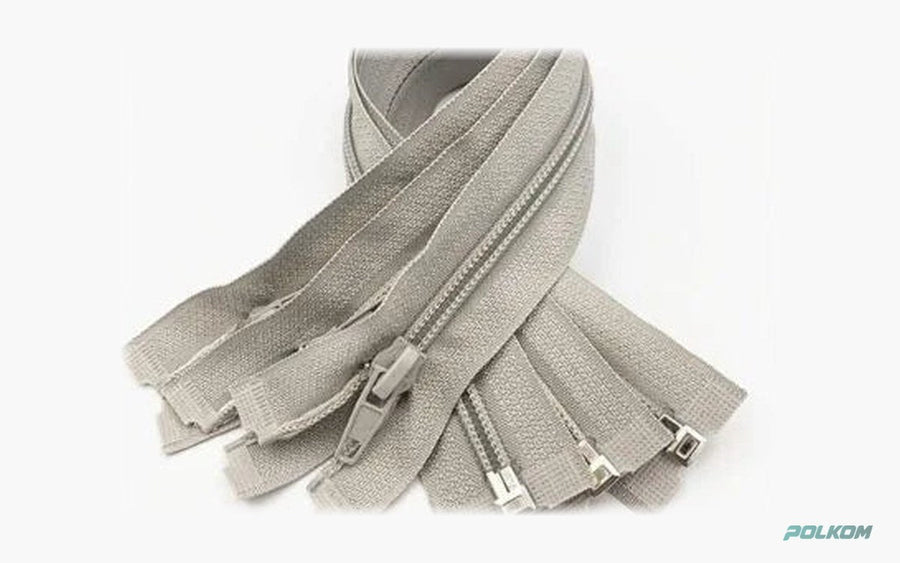
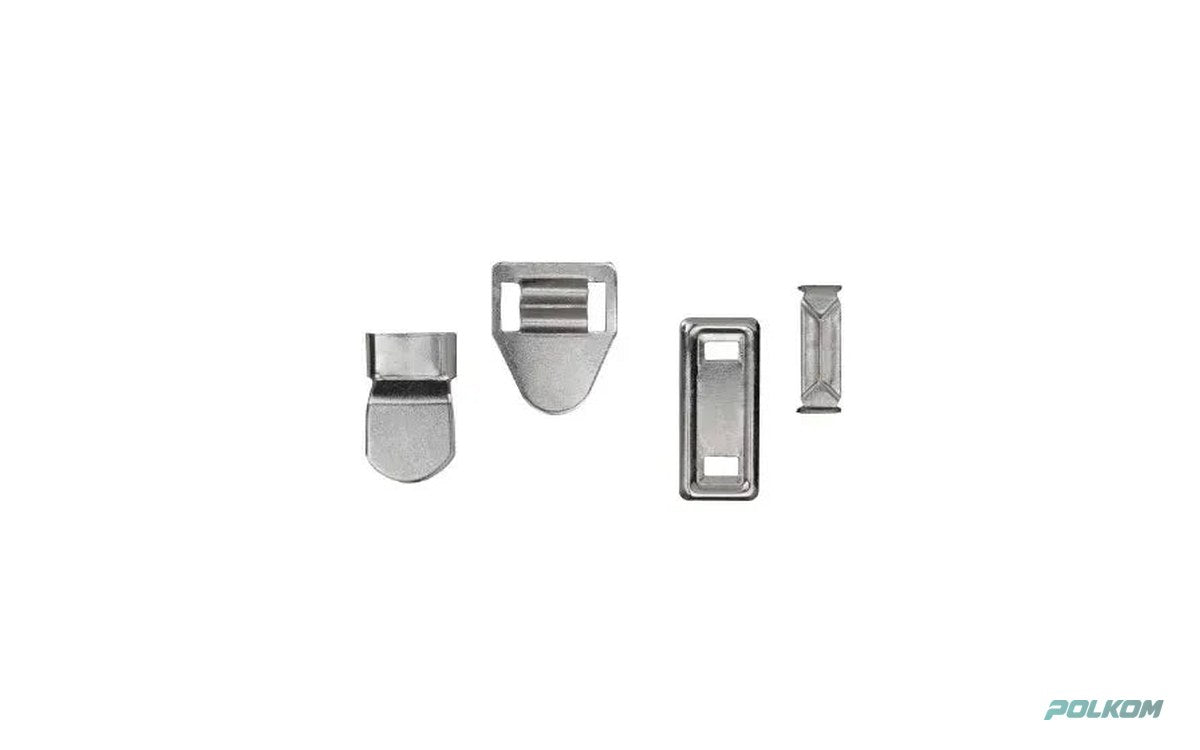
Zip price depends on type (metal, coil, moulded, invisible), number, length and slider. Saving here is risky: a zip that breaks ruins the whole garment. It is wiser to choose a standard length instead of a custom one when the design allows, and keep the branded slider only on the main zip. Explore zips by type and application.
Labels price – one design for the whole collection
Labels become more expensive due to variety, not material. Separate designs for each model mean separate preparation, samples and small runs. It is more cost-effective to:
- have one main brand label for all models;
- size labels in a common design differing only in text;
- care labels with variable data (composition, batch) on a uniform base;
- hang tags in one format with price sticker and barcode.
Wholesale accessories – how run size changes the cost
In wholesale, the unit price drops because preparation – mould, loom setup, colour proof – is spread over more pieces. Therefore, it pays to use the same button or ribbon in several models. If the key button appears on a coat, jacket and skirt, the order is one, the run is bigger and the unit price is lower for all models. Minimum quantities depend on the item; you can find guidelines on the quantities and sizes page.
Hidden costs that eat the budget
- Assembly defects. Unsuitable snap fastener or eyelet for the fabric causes torn garments and production stoppages.
- Colour mismatch. Button or zip in a different shade than the fabric often means rework.
- Claims after washing. Coating that flakes off or a label that fades damages the brand, not just the cost price.
- Lack of documentation. Buyers and retailers require certificates; if missing, tests cost extra.
- Urgent deliveries. Accessories ordered late often arrive by express transport.
Example: winter jacket, divided by baskets
Take a women’s winter jacket. The selling details are the metal front zip with logo puller, snap fasteners on the flap and leather label on the back. You invest budget in these: finish of choice, logo cap, natural or eco leather. Supporting details are eyelets and cord stoppers on the hood – you choose standard models in the same finish as the zip. Hidden are the coil zip on the inner pocket, cuff elastic, threads and care and size labels. You buy these as standard items common for the whole autumn-winter collection.
Accessories budget checklist
- Describe each accessory with code, material, size and quantity per garment.
- Decide which basket it belongs to – selling, supporting or hidden.
- Consolidate identical items across models.
- Request samples of key details and wash them with the fabric.
- Order with allowance for assembly defects.
- Record approved items to repeat orders without surprises.
Planning with Polkom as your manufacturer
Polkom is a manufacturer of accessories for fashion, footwear and bags, perfumes and cosmetics, packaging and furniture accessories, with over 30 years of experience and headquarters in Sofia. In one offer, you can get buttons, zips, labels and haberdashery according to your collection’s specification, with OEKO-TEX® certification and nickel-free metal parts. Send your technical package via the inquiry form – we will propose options for every budget and samples with your logo.