Manufacturer · Fashion & Home Accessories











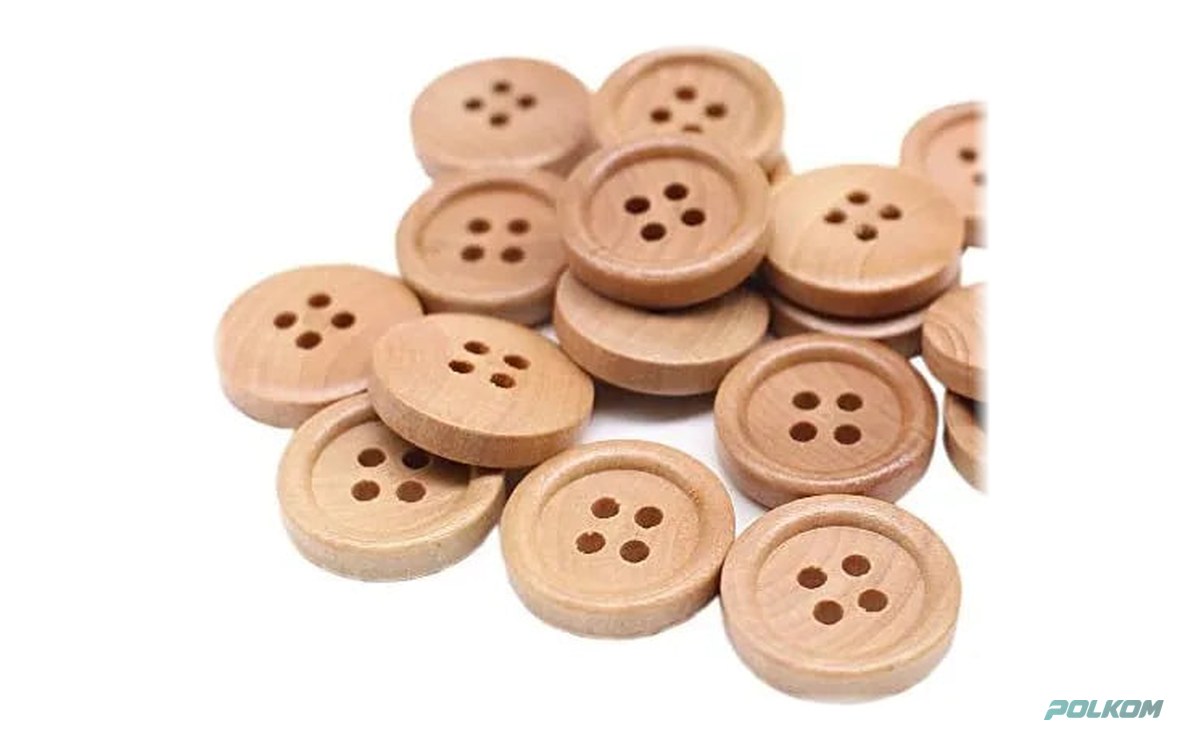
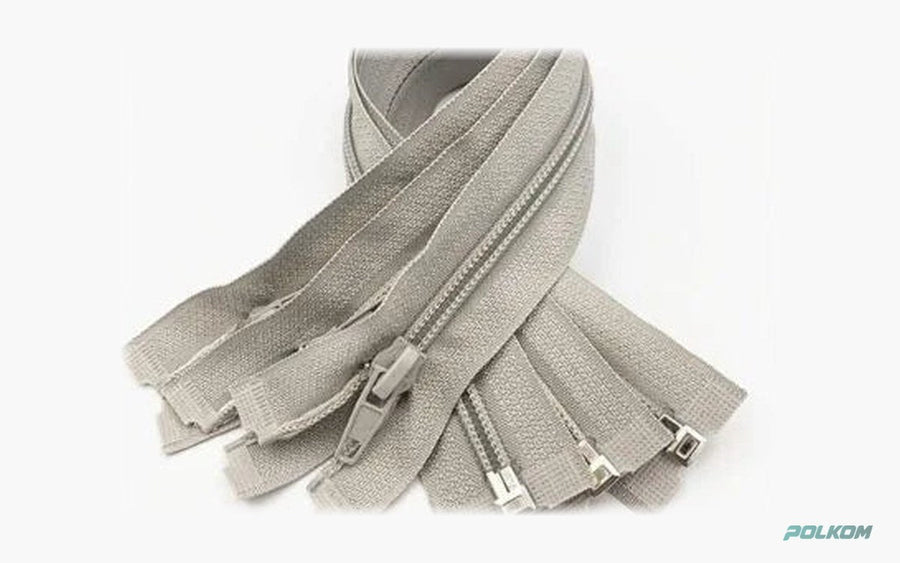
Buttons with buttonholes, snap fasteners, zips or envelope closures without fasteners are used for pillowcases and duvet covers. Buttons for bedding differ from garment buttons: they must withstand frequent high-temperature washing, be flat to avoid discomfort when lying down, and be positioned to prevent filling from escaping. For hotels and washing at 90 °C, stainless steel snap fasteners or envelope closures are more reliable.
Buttons, Snap Fasteners, Zips or Envelope – Comparison
| Closure | Advantages | Disadvantages | Suitable for |
|---|---|---|---|
| Buttons with buttonholes | classic look, easy to replace | buttonholes can fray, slower to fasten | decorative covers, high-end home textiles |
| Snap fasteners | quick fastening, no buttonholes, durable | require press and correct system | duvet covers, children's bedding, hotels |
| Concealed zip | clean appearance, secure closure | harder to replace if damaged | decorative cushions, sofa covers |
| Envelope (no fastener) | no parts to break | may open during movement | pillowcases, industrial washing |
Differences Compared to Garment Buttons
- Washing temperature. Bedding is often washed at 60 °C, and in hotels and hospitals at even higher temperatures. Buttons must withstand repeated washing at these temperatures.
- Comfort. People lie on the covers; protruding or sharp buttons are felt and uncomfortable.
- Hidden placement. Bedding buttons are usually at the bottom edge and not visible, so function is more important than decoration.
- Ironing. Bedding is ironed with a press or iron at high temperatures; buttons must not deform.
Size and Spacing
Pillowcase
Decorative pillowcases typically use buttons around 20–28L. For a 40×40 cm pillow, usually 3 buttons suffice; for 50×50 cm, 3–4 buttons; for rectangular shapes, spacing depends on the opening length. The distance between buttons is about 10–15 cm, with end buttons placed a few centimetres from the corners.
Duvet Cover
The envelope opening is at the bottom edge and often narrower than the full width. Buttons or snap fasteners are spaced evenly, usually every 15–20 cm. Bedding buttons here are small and flat – about 18–22L – or snap fasteners that are not felt through the duvet.
Sleeping Pillowcase
Sleeping pillowcases most often have an envelope closure – an inner flap holding the pillow without fasteners. If buttons are used, they are on the short side, flat and small.
Materials Suitable for Washing
- Polyester buttons – suitable for washing at 40–60 °C and normal ironing.
- Urea buttons – hard and resistant to high temperatures and press ironing; a good choice for demanding care. See urea buttons.
- Snap fasteners – stainless steel or brass with durable coating that does not rust with frequent washing; plastic ones are light and do not heat during ironing.
- Mother-of-pearl and corozo – beautiful for luxury bedding but more delicate at high temperatures.
- Wood and painted metal – only for decorative cushions washed rarely.
Fabric-Covered Buttons
Fabric-covered buttons – fabric over a metal or plastic base – are classic for decorative cushions and sofa covers because they continue the fabric pattern without interruption. Check that:
- the base does not corrode during washing – plastic or corrosion-resistant metal;
- the fabric is dense enough not to show the base;
- the fabric-covered buttons can withstand the washing temperature indicated on the label.
You can send your own fabric for covering – see fabric-covered buttons.
Bedding with Snap Fasteners
Snap fasteners are the most practical solution for duvet covers, especially for children's and hotel bedding. They fasten in seconds, require no buttonholes, and do not come undone. Two common options:
- Individual snap fasteners applied with a press at even intervals.
- Snap fastener tape – a textile tape with pre-attached fasteners sewn along the opening; convenient for mass production.
Choose a system suitable for thin cotton fabrics and reinforce the opening with an extra layer. Details on systems are available at snap fasteners.
Common Mistakes
- Protruding buttons on sleeping pillowcases. They leave marks on the face and are felt when lying down.
- Unreinforced buttonholes. Thin cotton fabric frays around the buttonhole after several washes.
- Rusting metal. Rust leaves stains that cannot be washed out.
- Too large spacing. Gaps form between buttons, allowing filling or duvet to escape.
- Buttons in a different colour than the fabric. Even a slight shade difference is clearly visible on white bedding.
Hotels and Industrial Washing
Industrial washing is a heavy load that few buttons withstand long-term: high temperature, strong detergents, heavy centrifuge and drum drying, followed by ironing with a calender. Therefore, hotels prefer envelope closures or snap fasteners made of stainless steel. If buttons are used, keep spares and test their behaviour after repeated washing on samples. The calender presses the bedding between heated rollers, so protruding buttons break and metal parts can damage the machine – another reason to choose flat solutions.
Home Textile Buttons by Polkom
Polkom is a manufacturer of accessories for fashion, footwear and bags, perfumes and cosmetics, packaging and furniture accessories, with over 30 years of experience and headquarters in Sofia. We produce buttons, fabric-covered buttons and snap fasteners for bedding and decorative cushions, all OEKO-TEX® certified with nickel-free metal parts. Send your fabric and washing requirements in a request – we will select a solution and samples for testing.