Manufacturer · Fashion & Home Accessories











Contents
If you export garments to the USA, the accessories must comply with American lead and phthalate regulations (CPSIA for children’s products) and California’s Prop 65 law, not just the European REACH nickel regulations. This means testing metal buttons, eyelets, zips and their coatings, plus labels that meet FTC requirements. The safest approach is to gather all documents at the sample stage.
REACH nickel regulations vs US rules – what’s the difference
In the European Union, nickel in items with prolonged skin contact is restricted by REACH Regulation, Annex XVII, entry 27. The limit applies to nickel release from the surface, not just the presence of the metal. That is why European buyers often require nickel release testing according to EN 1811 for buttons, rivets and buckles.
In the USA, there is no federal equivalent restriction for clothing. The focus is on lead and phthalates in children’s products, while California adds a requirement for warnings if a product exposes consumers to substances listed under Prop 65. Metallic nickel is also on that list. Brands selling in both markets must comply with both sets of rules – the easiest way is to choose accessories that do not rely on nickel at all.
CPSIA: children’s clothing and accessories
The Consumer Product Safety Improvement Act (CPSIA) applies mainly to products intended for children up to 12 years old. It includes:
- Lead in the main material – strict limits for all accessible parts, including metal buttons, snap fasteners, zips and sliders;
- Lead in coatings – even lower limits for paints and lacquers on surfaces, such as coloured buttons or enamelled details;
- Phthalates – restrictions on certain phthalates in toys and childcare articles; in clothing, this concerns plastisol prints, PVC details and soft plastic parts;
- Small parts – for children under 3 years, buttons and snap fasteners must not detach; attachment strength is tested by pull tests;
- Certificate and traceability – children’s products require a Children’s Product Certificate (CPC) based on tests by a CPSC-accredited laboratory and permanent batch marking.
Some materials, like natural fibres and untreated textiles, are exempt from lead testing, but metal and plastic accessories are not. Therefore, in children’s collections, buttons, snap fasteners and zips are the first parts tested by laboratories.
Prop 65 – warning instead of ban
California’s Prop 65 (Safe Drinking Water and Toxic Enforcement Act) does not ban substances but requires clear warnings if a product exposes consumers to listed chemicals above a certain level. The list includes lead, some phthalates (e.g. DEHP) and metallic nickel. Retailers in California often ask brands either for proof that products are below thresholds or for a warning label. Most prefer proof, as warnings can deter buyers.
Risky accessories under Prop 65 typically include:
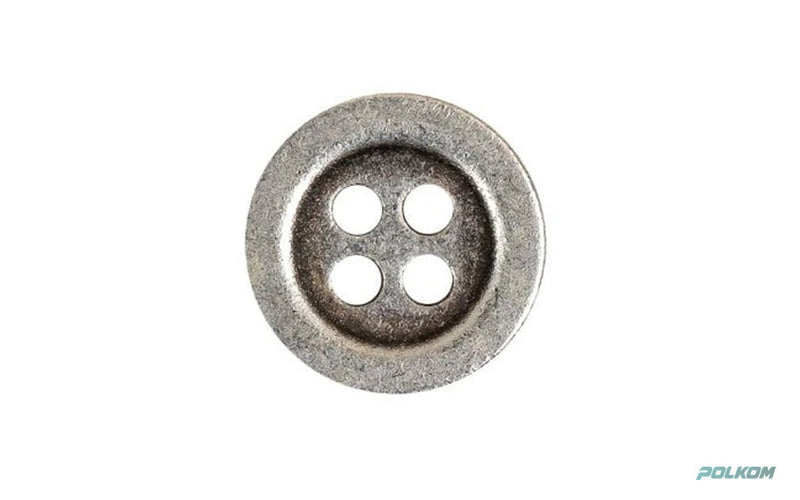
- metal buttons, rivets and eyelets with coatings containing lead or releasing nickel;
- PVC and faux leather with phthalate plasticisers – leather labels, pullers, patches;
- plastisol prints and inks on labels and tapes;
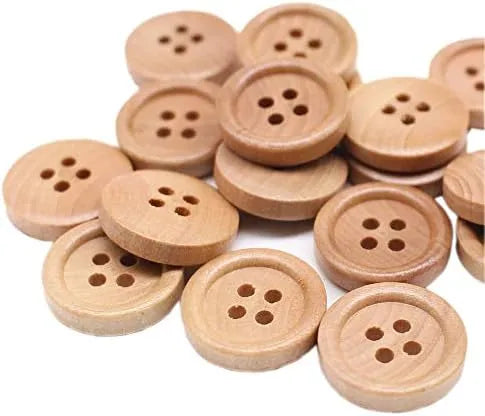
- poor-quality lacquers and paints on wooden and polyester buttons.
Nickel-free accessories and OEKO-TEX Standard 100
The two most useful documents for export are a declaration that metal parts are nickel free and the OEKO-TEX Standard 100 certificate. This standard tests textile and non-textile parts for lead, cadmium, phthalates, nickel release and many other substances. It does not replace US tests but greatly reduces risk and eases communication with labs and buyers.
| Accessory | What to check for USA | Preparation document |
|---|---|---|
| Metal buttons and rivets | lead in metal and coating, nickel (Prop 65) | nickel free declaration, OEKO-TEX®, test report |
| Snap fasteners and eyelets | lead, attachment strength for children’s clothing | pull test, material declaration |
| Zips and sliders | lead in slider and coating | model specification, test report |
| Leather and PVC labels | phthalates, lead in paints | material declaration, OEKO-TEX® |
| Textile labels | content per FTC requirements | approved text, care symbols |
US garment label requirements
Besides chemical restrictions, the US market has its own garment labelling rules. The Federal Trade Commission (FTC) requires:
- fibre content with generic names and percentages;
- country of origin;
- manufacturer or importer identification – name or RN number;
- care instructions per the Care Labeling Rule, with ASTM D5489 symbols or text.
US care symbols differ in details from European ISO 3758 symbols, so for dual-market labels instructions are often given in words as well. More on printed care instructions is available in the laundry labels category.
Accessory testing – how to organise the process
Testing accessories is cheaper and faster when done on components before garment assembly. The practical sequence is:
- Define the market and age group – children’s or adult clothing;
- List all accessories in the tech pack with material and coating details;
- Request declarations and certificates from the accessory manufacturer for each item;
- Send component samples to an accredited lab for lead and phthalate testing;
- Approve the material and coating – any change requires retesting.
Requirements change, so always verify current limits with your lab or US importer.
Documents for accessories from Polkom
Polkom is a manufacturer with over 30 years of experience based in Sofia – producing accessories for fashion, footwear and bags, as well as for perfumes, cosmetics, packaging and furniture. All our products have OEKO-TEX® certification, all metal accessories are nickel free, and recycled versions under the GRS standard are available on request. Describe your market and product in a request for quote and we will prepare samples and the documents you need for export.
Share this article