Manufacturer · Fashion & Home Accessories












Contents
Workwear with zips for environments exposed to flames, sparks or high temperatures cannot use standard polyester zips: the tape and coil melt and drip, creating an opening exactly where protection is most needed. Flame-retardant clothing uses zips with tapes made of flame-resistant fibres (usually meta-aramid), metal or special teeth, and sewing with aramid thread. The zip must comply with the requirements of the standard certifying the entire garment.
Why ordinary zips are the weak point
A standard coil zip has a chain made of polyamide or polyester monofilament fibre, woven or sewn into a polyester tape. These materials are thermoplastics – when exposed to flame, they soften, shrink and drip. If the jacket fabric is flame-retardant but the zip is not, in an incident:
- the tape melts and the jacket opens in the middle;
- the melted polymer can stick to the underlying clothing layer or skin;
- the plastic slider deforms and the zip cannot be opened.
Therefore, in protective clothing every component – fabric, thread, tape, zip, hook and loop, reflective elements – must be selected according to the same requirement.
Types of zips for flame-retardant and workwear clothing
| Type | Construction | Typical application |
|---|---|---|
| Metal zip with aramid tape | Brass or other metal teeth on meta-aramid tape | Firefighter jackets, welding and foundry clothing |
| Coil zip with aramid components | Coil and tape made of flame-resistant fibres | Light flame-retardant clothing, inner layers |
| Metal zip with standard tape | Metal teeth, polyester or cotton tape | Workwear without flame-retardant requirements |
| Moulded plastic zip | Moulded POM plastic teeth | Work jackets without flame protection, cold and wet environments |
For welding and molten metal work, metal teeth have the advantage: metal splashes do not burn through the chain as they do plastic. Therefore, the zip is often covered with a flap made of the main flame-retardant fabric.
Protective clothing standards and the role of the zip
The zip itself is not certified as personal protective equipment. The entire garment is certified, and the zip must not compromise the tests. The most common European standards are:
- EN ISO 11612 – clothing for protection against heat and flame;
- EN ISO 11611 – clothing for welding and related processes;
- EN ISO 14116 – materials with limited flame spread;
- EN 1149 – antistatic properties;
- EN ISO 20471 – high-visibility clothing.
During flame testing by EN ISO 15025, the sample often includes seams and accessories. Therefore, request technical information from the zip manufacturer about the tape material and its flame behaviour and include it in the garment’s technical dossier.
The zip is not the only accessory
Flame-retardant clothing is only as good as its weakest component. Check the other elements:
- Thread – seams are sewn with meta-aramid thread that does not melt and self-extinguishes. Polyester thread melts and seams fail. See fire-retardant threads.
- Hook and loop – standard polyamide hook and loop tape melts; flame-retardant variants are used.
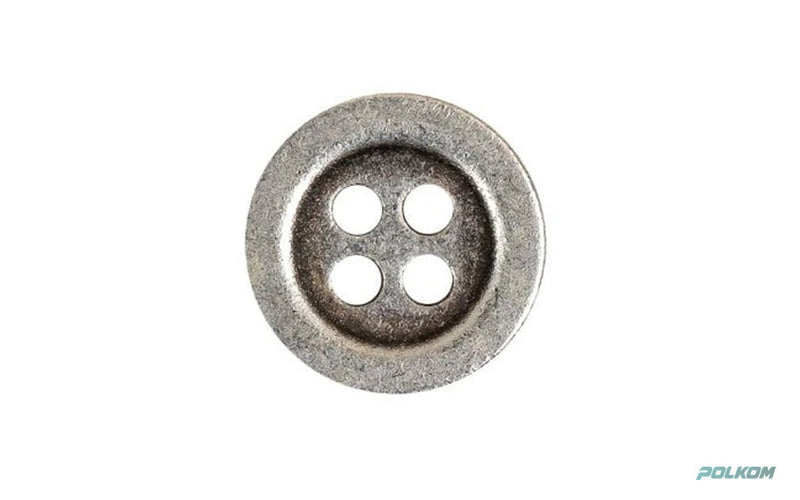
- Buttons and snap fasteners – metal, without plastic parts that can melt.
- Labels – made from materials that withstand use and industrial washing.
- Reflective tapes – flame-retardant versions if the clothing is also high-visibility.
Workwear zips: which zip for which environment
Not every workwear garment needs a flame-retardant zip. Guidelines by environment:
- Workwear for non-flammable environments – metal or moulded plastic zip size 8 or 10, durable and easy to repair.
- Construction and logistics – moulded plastic zip with large slider, convenient with gloves.
- Kitchens and food industry – often without zips or with concealed zips and snap fasteners to avoid loose metal parts.
- Welders, foundries, energy sector, firefighters – flame-retardant zip with aramid tape and flap from main fabric.
Zip for jackets: size and construction
Work jackets are opened and closed multiple times daily, often with gloves. Choose:
- size 8 or 10 – larger teeth withstand stress better, resist dirt and open easily with gloves;
- separating zip for the front and two-way for long jackets and coveralls;
- slider with large pull or cord puller;
- flap over the zip – protects it from dust, sparks and wind.
For non-flame-retardant clothing see metal zips and coil zips in larger sizes.
Industrial washing and maintenance
Protective clothing is washed frequently at high temperatures, sometimes in specialised laundries. This stresses the zip. Some practical rules extend its life:
- close the zip before washing to avoid snagging and tearing the fabric;
- avoid detergents that damage metal teeth coatings;
- check the slider regularly – a loose slider can be replaced without changing the entire zip;
- for flame-retardant clothing, follow the washing cycles and instructions from the garment manufacturer.
Specify the industrial washing regime in your inquiry – it affects the choice of tape, coating and slider.
Polkom – zips and threads for work and protective clothing
Polkom is a manufacturer of accessories for fashion, footwear, bags, perfumes, cosmetics, packaging and furniture, based in Sofia with over 30 years of experience. For workwear manufacturers we offer zips, flame-retardant aramid threads, buttons, labels and tapes. Flame-retardant zips with special requirements are selected on inquiry according to your garment’s standard. All products have OEKO-TEX® certification. Send your specification via the inquiry form.
Share this article