 Manufacturer · Fashion & Home Accessories











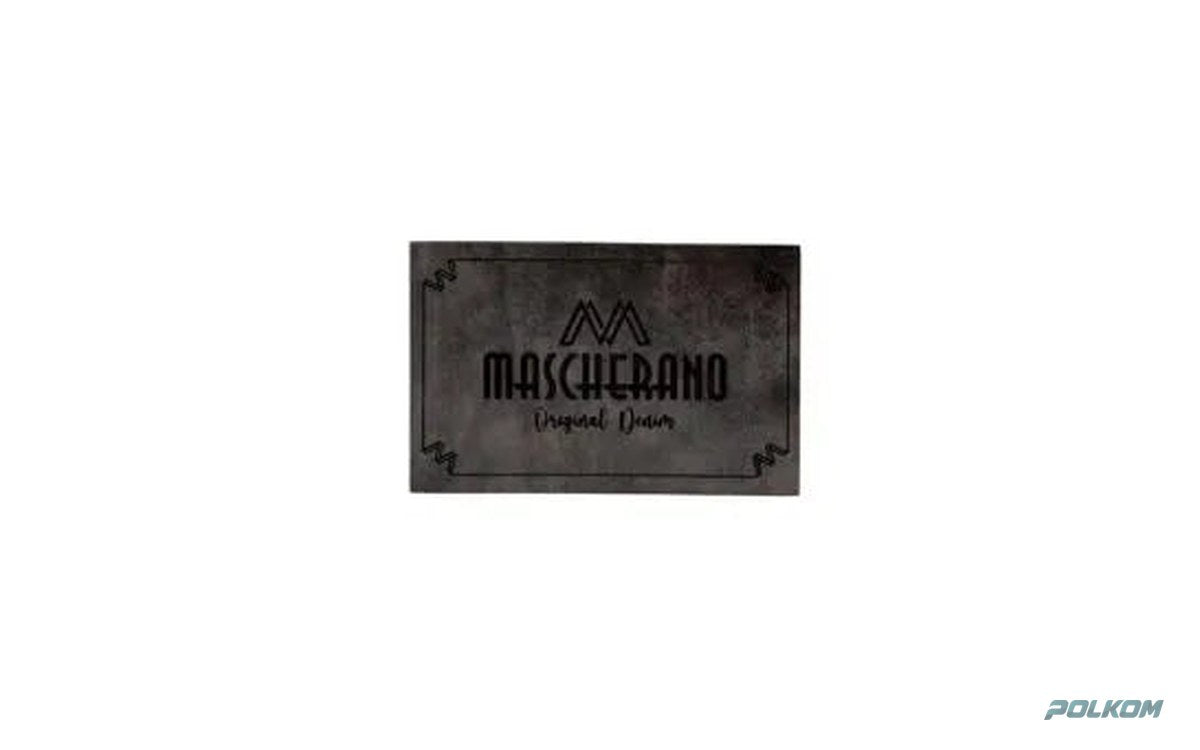
Leather logo stamping means pressing the logo into the material using a heated metal die. With deboss, the logo is indented below the surface, while emboss raises it above. Deboss is more common for leather labels because it is more durable, cost-effective, and suitable for almost any leather type. Emboss creates a more voluminous, sculpted effect but requires two dies and a more suitable material.
How leather logo stamping works
The process is mechanical. The logo is made as a metal die (cliché) – usually brass or magnesium – with a mirrored image. The die is mounted in a press, heated to a temperature suitable for the material, and pressed onto the leather briefly under pressure. Heat and pressure permanently alter the surface structure, leaving the logo embedded.
Three parameters determine the result:
- Temperature – too low yields a shallow, unclear impression; too high can burn natural leather or melt eco leather coating.
- Pressure – controls the depth of the relief.
- Dwell time – thicker materials require longer pressing.
Therefore, initial impressions on each new leather batch are used to calibrate settings – the goal is consistent results throughout the series.
Deboss: indented logo
Deboss uses a single die that presses the logo inward. This is the classic stamping seen on leather patches for jeans, bags, and wallets.
Advantages
- Very durable – the logo is recessed, so it does not wear off from friction.
- Works with natural leather, eco leather, and jacron.
- Natural leather darkens slightly under heat at the relief base, creating natural contrast without paint.
- Lower one-time cost – only one die required.
Limitations
Very fine lines and small text can merge, especially on soft, porous leather. Therefore, deboss logos should have thicker lines than print designs.
Emboss: raised logo
Emboss uses two dies – positive and negative. The material is pressed between them, pushing the logo above the surface. The effect is voluminous and luxurious but has considerations:
- Requires softer, more plastic material to hold the shape.
- A recess forms on the label’s back – not visible when sewn on thick bases but should be considered.
- Raised parts are exposed to friction and wear faster with heavy use.
- Two dies mean higher one-time cost.
Emboss is less common for clothing and more often chosen for accessories and items not subject to washing.
Deboss vs emboss comparison
| Criterion | Deboss (Indented) | Emboss (Raised) |
|---|---|---|
| Number of dies | One | Two (positive and negative) |
| Durability against friction | Very high | Lower on raised edges |
| Suitable materials | Natural leather, eco leather, jacron | Primarily soft natural leather and thick eco leather |
| Fine details | Limited | Even more limited |
| Typical use | Jeans, jackets, hats, bags | Luxury accessories, boxes, covers |
How different materials behave during stamping
Vegetable-tanned leather
This is the “favourite” for stamping. It is dense, holds relief shape well, and darkens under heat, creating natural contrast. Over time, the relief softens but remains clear. It is a classic choice for denim patches and leather haberdashery.
Chrome-tanned leather
Softer and more elastic, more water-resistant. Accepts stamping but relief is shallower and contrast weaker because the material does not darken as much under heat. Often combined with foil stamping.
Eco leather
Has a uniform surface and produces very clean relief if temperature is correctly set. Overheating can cause coating to shine or deform, so settings are more sensitive.
Jacron
Accepts deep and sharp relief, with stable thickness across the label. Suitable for large series of denim labels with stamped logo and size.
Colour stamping: foil and paint in the relief
Pure stamping (“blind” – without colour) is elegant, but on light or eco leather, contrast can be weak. Then hot foil stamping is used – the die transfers gold, silver, copper, or coloured pigment into the relief itself. Another option is stamping followed by colouring the indentation. Both preserve the relief and add visibility.
Preparing your logo for stamping
- Use lines at least about 0.5 mm thick at actual size; thicker for soft leather.
- Leave spacing between letters and elements to avoid merging under pressure.
- Avoid large solid areas – they print unevenly; contour shapes work better.
- Leave a margin of a few millimetres from the label edge, especially if sewn on the contour.
The same principles apply to cardboard embossing – see cardboard labels. For metal embossing, see metal plates.
When to choose another technique
If the logo has very fine details or small text, laser engraving may be more suitable. For multicolour logos, screen printing is better. Stamping remains the best choice when durability, classic look, and good price for larger series are priorities.
Leather labels with stamping by Polkom
Polkom manufactures leather labels with deboss, emboss, and foil stamping according to your design. We check the logo and suggest corrections if needed, and prepare samples before production. Send your file and size via the inquiry form.




