 Manufacturer · Fashion & Home Accessories











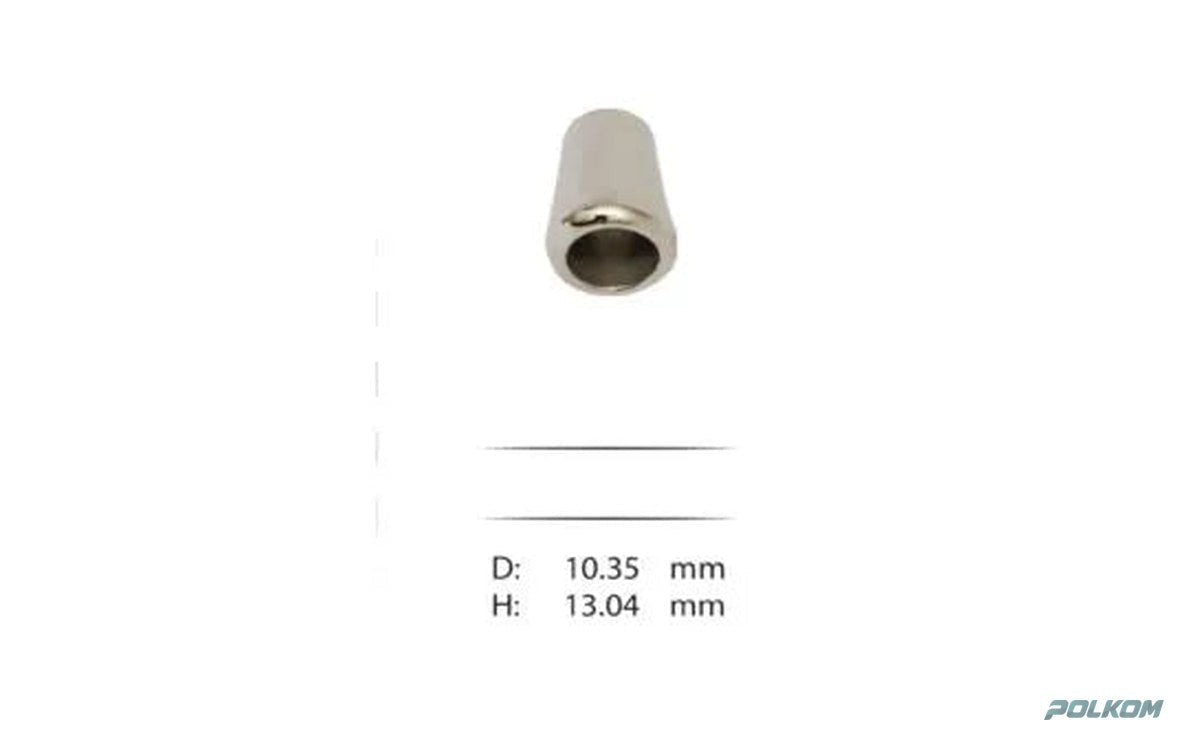
Metal or plastic cord ends – the short answer: plastic ones are light, quiet, moisture-resistant and economical in mass production, so they are the standard for shoelaces, childrenswear and sports bottoms. Metal cord ends are heavier and more resistant to crushing, allow an engraved or relief logo and a range of finishes, which is why they are chosen for fashion and premium collections. The choice depends on the style of the product, the washing conditions and the budget.
What plastic cord ends are
There are three main types of plastic cord ends. The first is clear or coloured acetate film, wound and glued around the end of the lace – the classic shoelace aglet. The second is a moulded plastic end made of polyamide, polypropylene or a similar material, which is crimped or glued on. The third is heat-shrink tubing, which shrinks around the cord when heated. All three are light and inexpensive, and the moulded ones can have a custom shape, a colour matched to a sample and even a relief logo.
What metal cord ends are
Metal cord ends are made of brass, aluminium, stainless steel or zinc alloy. They can be thin pressed tubes or solid die-cast shapes with a hole for gluing. They take finishes such as nickel, gold, antique brass, gunmetal and black, as well as laser engraving and relief.
Comparison: metal or plastic cord ends
| Criterion | Metal | Plastic |
|---|---|---|
| Weight | Heavier, the cord hangs straight | Light, barely noticeable |
| Look | Premium, shine, finishes | Neutral or coloured, tone on tone |
| Branding | Engraving, relief, die-cast shape | Relief on moulded styles, printing |
| Crush resistance | High | Lower, film can crack |
| Washing | Good, but they rattle in the drum | Quiet, do not scratch |
| Moisture and salt | Depends on the metal and finish | Do not corrode |
| Safety for children | Needs attention to weight and edges | Lighter and softer |
| Cost | Higher | Lower in large runs |
When to choose plastic cord ends
- Mass-market shoelaces – acetate aglets are the standard and the customer does not expect anything else.
- Childrenswear – they are lighter and do not hurt on impact; the choice must comply with safety requirements for children's products.
- Swimwear and beachwear – they do not corrode in chlorine and sea water.
- Sports bottoms and training kits – they do not rattle when moving or in the washing machine.
- Colour matched to the cord – moulded plastic cord ends can be dyed to a sample.
When to choose metal cord ends
- Premium sweatshirts and hoodies – a metal cord end instantly signals a higher class.
- Collections with a logo on every detail – an engraved or relief cord end is a small but highly visible brand carrier.
- Hiking and outdoor clothing – solid cord ends withstand rubbing and crushing.
- Leather shoes and fashion sneakers – matching the metal eyelets and other metal accessories.
- Bags and backpacks – the weight keeps the cord neat.
In-between solutions
There are also options that combine the qualities of both materials. Plastic cord ends with a metallised coating look like metal but are light – suitable for mass collections that want a premium look. Silicone cord ends are soft and quiet and are used on sports and children's products. Some brands use metal cord ends on the main style and plastic ones on the more affordable line, with the same shape and logo.
Noise and feel when worn
A factor rarely discussed when choosing is sound. Metal cord ends on a hood drawcord knock against each other and the zip when walking and running. On fashion sweatshirts this is not a problem, but on training kits, pyjamas and sleepwear it is annoying. Plastic and silicone cord ends are practically silent. The weight is also noticeable – on a light top in thin jersey, solid metal cord ends can pull the neckline down.
Durability and environmental considerations
Metal cord ends last longer and can be recycled with metal waste, but they are hard to separate from the cord. Plastic ones are lighter, which reduces transport weight, but they are made of polymer. Some brands choose metal precisely for durability – a garment whose cord ends do not break is worn longer.
Washing and care
Plastic cord ends tolerate washing well, but acetate film can crack or come unstuck over time, especially in the tumble dryer. Metal ones are mechanically more robust, but the finish needs care in the wash – the garment is turned inside out, and sneaker laces are washed separately. For salt and chlorine, choose a metal that does not corrode, or plastic.
Compatibility with other accessories
Cord ends should be coordinated with the cord stoppers, eyelets and cord. A metal cord end with a plastic stopper can look unfinished if the colours do not match. If you use metal eyelets, it makes sense for the cord ends to be metal in the same finish. For cords in different colours and thicknesses, see the cords category.
How to decide
- Define the positioning of the product – mass market, mid-range or premium.
- Consider the conditions – washing, salt, chlorine, rubbing.
- Decide whether the cord end will carry a logo.
- Check compatibility with eyelets and stoppers.
- Ask for samples of both types and compare them on the finished product.
Cord ends from Polkom
Polkom offers wholesale metal and plastic cord ends in a range of sizes, shapes and finishes, as well as custom logo production. Send us a sample of the cord and a description of the product via the contact page and we will suggest both options for comparison.




