 Manufacturer · Fashion & Home Accessories











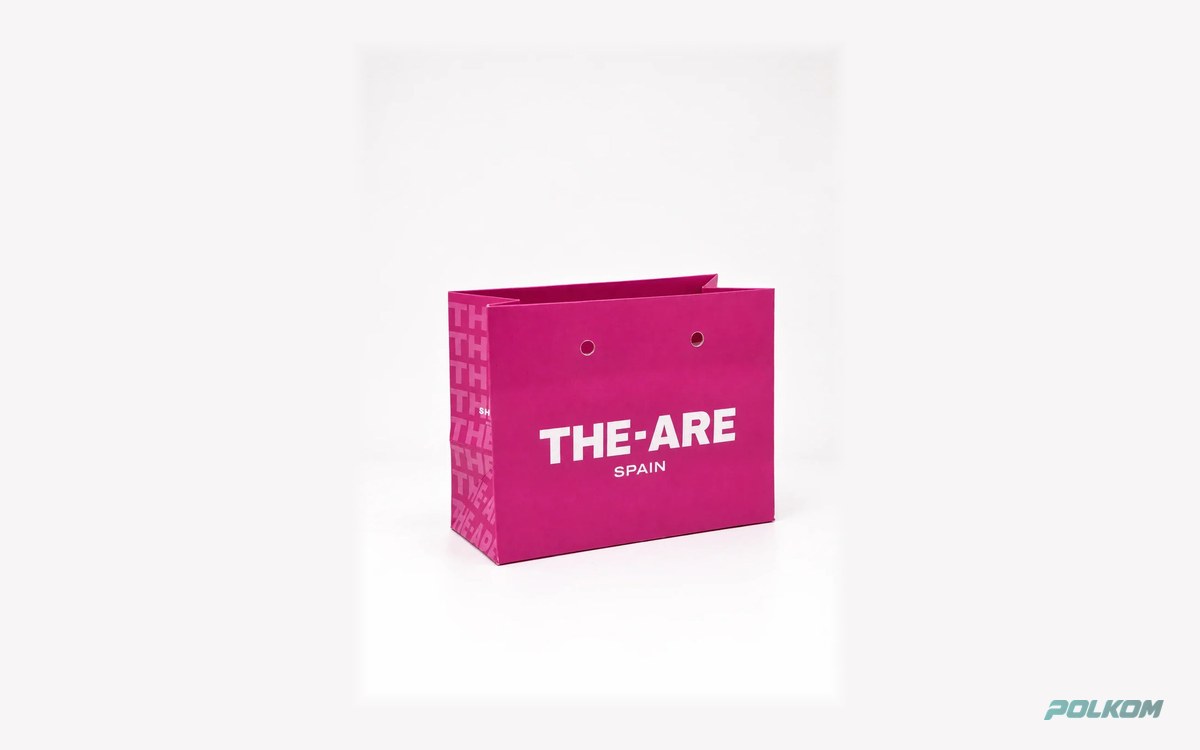
Recyclable clothing packaging is packaging the customer can put in a single bin without separating it and which is processed in mainstream collection systems: paper bags and boxes without a plastic coating, kraft paper and mono-material bags made of one type of plastic. The fewer mixed materials the packaging contains, the more realistic it is that it will actually be recycled rather than just look “eco”.
Customers increasingly notice the difference. A parcel in which every garment is in a separate bag, then in a box with foam and finally in yet another bag leaves an impression of waste even when every individual material is recyclable. So think of the packaging as a system, not as separate elements.
Recyclable clothing packaging: the three basic principles
- One material. Paper with paper, polyethylene with polyethylene. Combinations of paper and plastic glued together are hard to separate.
- Less volume. Packaging sized to the product uses less material and reduces the empty space in the parcel.
- Clear marking. The customer should be able to tell from the packaging itself where to dispose of it.
Paper and kraft
Kraft paper and board are the most easily recognised “eco” materials. Unbleached kraft paper has a natural brown colour, is strong and suits a minimalist design. White paper gives cleaner print colours, but it is also recycled in the paper stream.
Recyclability, however, depends on the details:
- Lamination (a gloss or matte plastic film) turns paper into a composite material. If the eco message matters, choose a bag or box without lamination or with a water-based dispersion varnish.
- Handles made of paper cord or twisted paper are the easiest to recycle. Textile and synthetic handles have to be removed.
- Hot foil stamping covers a small area and usually does not cause serious problems, but a large foiled area is better replaced with embossing.
- A film window in a box should be easy to tear out.
You will find kraft and paper options among our paper bags with logo.
Bags: mono-material and recycled content
The plastic bag is often seen as the least “eco-friendly” element, but in many cases it is indispensable: it protects the garment from moisture and dust and reduces the risk of damage and returns. The solution is not necessarily to give it up, but to choose the better option:
- Mono-material bag – made entirely of polyethylene (PE), including the zip or adhesive strip, with no paper labels stuck on top.
- Recycled polyethylene – a bag made with a share of recycled material, giving already used plastic a second life.
- Reusable bag – a zip bag the customer uses for storage or for returning goods.
Polkom holds a GRS (Global Recycled Standard) certificate and offers recycled options on inquiry. Whether a specific bag is made of recycled material is confirmed in the quotation. See the styles in the plastic zip bags category.
Material comparison
| Packaging | Marking | Easy to recycle? | What to watch out for |
|---|---|---|---|
| Corrugated mailer box | PAP 20 | Yes | Tape and plastic labels on top |
| Cardboard box | PAP 21 | Yes, without lamination | Lamination, magnets, foam |
| Paper bag, tissue paper | PAP 22 | Yes | Lamination, synthetic handles |
| Polyethylene bag | 4 (LDPE) | Yes, if there is separate collection of film | Mixing with other plastics |
| Polypropylene bag | 5 (PP) | Depends on the local system | Less often collected separately |
Magnetic boxes are beautiful, but they contain metal and often foam. If you use them, make sure the box can be opened and taken apart easily, or choose a folding construction without a magnet.
Labels are part of the packaging too
A hang tag made of recycled or kraft board, a cotton string and packaging in the same style build a complete and consistent message. For textile labels that stay in the garment, recycled polyester is a popular choice; Polkom also offers recycled versions of these on inquiry.
Reuse is better than recycling
The most sustainable packaging is the one that is not thrown away immediately. A paper bag with comfortable, strong handles gets used again for shopping. A rigid box with a lid often becomes a storage box for scarves, jewellery or photos. A zip bag serves to store seasonal clothes or to return an order. So when choosing packaging, ask not only “what is it made of?” but also “what will the customer do with it after unpacking?”
- Choose handles that last for more than one carry.
- Keep the logo discreet if you want the bag to be carried in everyday life too.
- Add a zip or a reclosable seal to bags.
What (not) to write on the packaging
General claims such as “eco-friendly” or “green” packaging without evidence are increasingly treated as misleading in the EU, and the new Packaging and Packaging Waste Regulation (PPWR) is gradually introducing requirements for recyclability and marking. It is safer to write specific, verifiable things:
- what material the packaging is made of and where it should be disposed of;
- what share of recycled content it has, if this is certified;
- how the packaging can be reused.
Common mistakes
- A kraft bag with gloss lamination – it looks eco, but it is no longer pure paper.
- A box twice the size of the garment, filled with void fill.
- A bag with a paper size sticker – printing directly on the bag is better.
- An eco claim with no specifics or certificate behind it.
Recyclable packaging from Polkom
Polkom is a Bulgarian company from Sofia with over 30 years of experience as a manufacturer of accessories for fashion, furniture, footwear and bags. We offer and make to order paper bags, boxes, tissue paper and bags with logo, and help you choose materials that are easier to recycle. You will find the full range in the packaging category. Minimum quantities depend on the item. Send an inquiry with your products and preferred materials.




