 Manufacturer · Fashion & Home Accessories











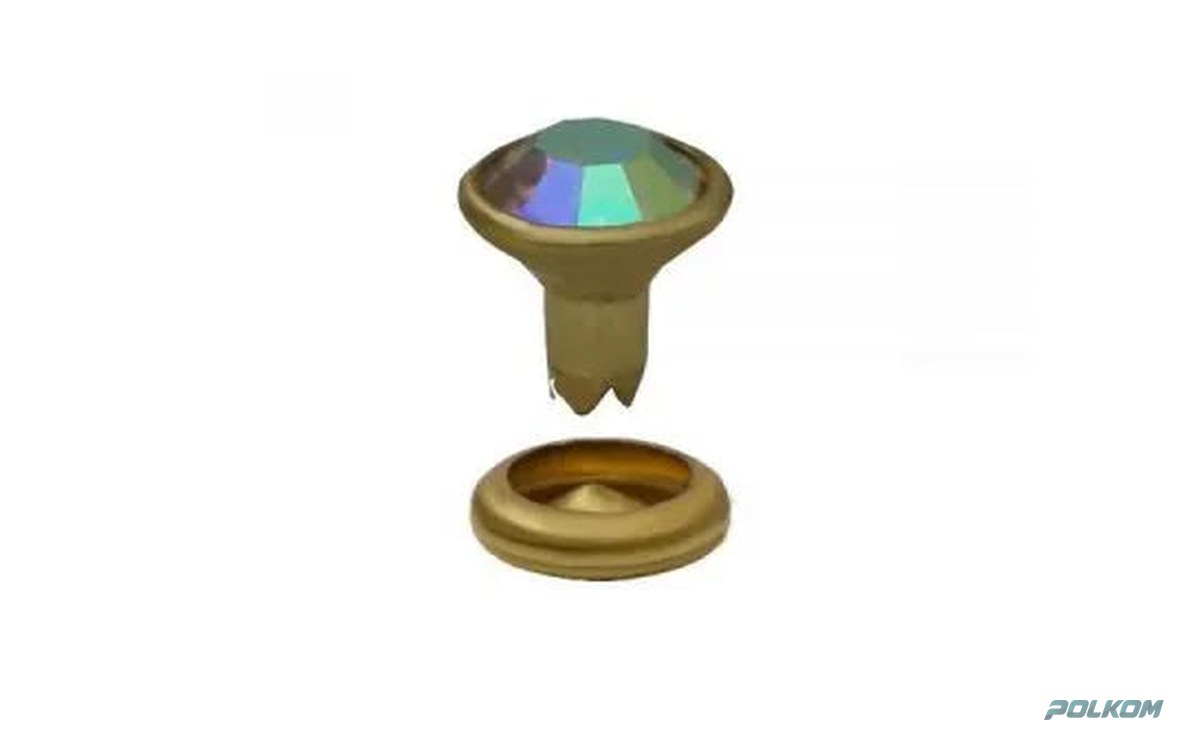
Rivet sizes are defined by two key parameters: the diameter of the cap, which determines the visible appearance, and the length of the post, which must correspond to the material thickness. For denim, caps with a diameter of about 7–9 mm are most common, while larger sizes are used for bags, belts, and decorative items. The post length is selected based on the number of fabric layers at the riveting point.
Rivet Sizes: What Is Measured
Cap Diameter
This is the visible size – the width of the top part measured from edge to edge. It determines how “heavy” the detail looks on the garment and whether there is space for a logo or inscription on the cap. Smaller caps appear delicate, while larger ones emphasize the workwear or decorative character of the item.
Post Length
The post is the part of the base that passes through the fabric and flattens inside the cap. If it is too short, it won’t reach the cap and the rivet will be loose. If it is too long, it bends sideways, causing the cap to sit crooked and potentially damaging the coating. Therefore, the length is chosen not “by eye” but according to the actual thickness of the fabric bundle.
Base Diameter
The base on the inside is usually smaller than the cap. For double-sided rivets used on bags and belts, both sides are visible and often have the same or similar diameter.
Typical Sizes by Application
| Cap Diameter | Typical Application | Note |
|---|---|---|
| around 6–7 mm | Children’s jeans, lightweight denim, denim shirts | Delicate look, less space for logo |
| around 8–9 mm | Classic jeans, skirts, jackets | Most common size for denim |
| around 10–12 mm | Workwear, overalls, bags | More space for embossed logo |
| over 12 mm | Decorative rivets, belts, accessories | Accent detail |
The sizes in the table are indicative. Different models have varying cap profiles – flat, dome-shaped, or with an edge – which also affect the visual size. You can see the specific available sizes in the rivets category or request them from us.
How to Determine the Post Length
- Count the layers. In the corner of a jeans pocket, there are usually two to four layers of denim plus seam allowances.
- Measure the thickness. Fold the fabric exactly as it will be in the finished product and gently press it with calipers. Denim density is expressed in ounces per square yard – the heavier the fabric, the thicker the bundle.
- Add allowance for riveting. The post must extend beyond the fabric bundle enough to flatten inside the cap – the rivet manufacturer provides recommended thickness ranges for each model.
- Test two lengths. If in doubt, make test rivets with two post lengths and check which holds better after washing.
Rivet Size by Material
Denim
For lightweight denim used in shirts and dresses, smaller caps and shorter posts are chosen. For heavy denim in classic jeans and jackets, the standard size is around 8–9 mm with a post suitable for a thicker bundle. If the fabric ages after sewing, test samples together with washing.
Leather and Faux Leather
Leather is denser and less elastic, so the post length must fit precisely. For belts and straps, thickness is measured at the thickest point – where the leather folds around a ring or buckle.
Canvas and Work Fabrics
Workwear often has reinforced areas with many layers. There, a longer post and a stronger base are needed, and the cap can be larger to distribute pressure.
Coordination with Other Metal Details
Rivet size is not chosen in isolation. On jeans, rivet caps are usually smaller than the metal button on the waistband but share the same coating and style. If the item also has eyelets or snap buttons, check their proportions together – a rivet that is too large next to a small eyelet looks disproportionate.
Common Mistakes When Choosing Size
- Choosing only by cap diameter without checking post length;
- Using the same rivet for all sizes and models despite different fabric thickness;
- Underestimating seam allowances that add layers;
- Changing fabric in the collection without retesting rivets;
- Cap too small for the chosen logo – details get lost in stamping.
Cap Size and Logo
If rivets will carry your logo, the cap size should be selected together with the design. Thin lines and small text get lost when stamped on a small surface, especially with antique coatings where indentations darken. It is better to simplify the logo to a symbol or initials, and place the full brand name around the circumference of a larger cap. Always approve a real-size sample before production.
How to Specify Sizes When Enquiring
When ordering rivets, specify the cap diameter, profile, material and coating, type of product, and fabric thickness – ideally send a fabric swatch. If unsure about the post length, we will suggest a suitable model and provide samples for testing.
Rivets in the Exact Size from Polkom
Polkom is a Bulgarian manufacturer of accessories for fashion, furniture, footwear, and bags with over 30 years of experience. We offer rivets in various sizes from stock and made to order – with your logo and coating of choice, delivered across the EU. Send us your sizes and fabric details via the contact page, and for logo rivets, include a vector file.




