Manufacturer · Fashion & Home Accessories












Sustainable trims are buttons, labels, buckles, zips and packaging made from natural, recycled or longer-lasting materials and tested for harmful substances. In practice this means: corozo or other natural buttons, recycled polyester with GRS certification, nickel-free metal parts, kraft or recycled board for hang tags and OEKO-TEX® certification for everything that touches the skin. Below is a checklist you can use to review the whole collection, trim by trim.
Why trims matter for the sustainability of a collection
Fabric is the largest part of a garment, but trims are what is most often left out of sustainability claims. A shirt has 8–12 buttons; a jacket has a zip, eyelets, cord stoppers and labels. If these parts are mixed plastics without documentation, the collection's whole story loses credibility. Buyers and retail chains are also increasingly asking for a certificate for every component.
Checklist by type of trim
| Trim | More sustainable option | What to ask the manufacturer for |
|---|---|---|
| Buttons | Corozo, wood, coconut, horn, mother-of-pearl; recycled polyester | Material, OEKO-TEX®, GRS for recycled |
| Metal buttons, eyelets, rivets | Nickel-free metal, durable finishes | "Nickel-free" confirmation, OEKO-TEX® |
| Buckles and rings | Metal instead of plastic where possible | Material, finish, nickel-free |
| Textile labels | Recycled polyester, organic or recycled cotton | Yarn composition, GRS for recycled |
| Hang tags | Kraft or recycled board, cotton string | Type of board, no lamination unless needed |
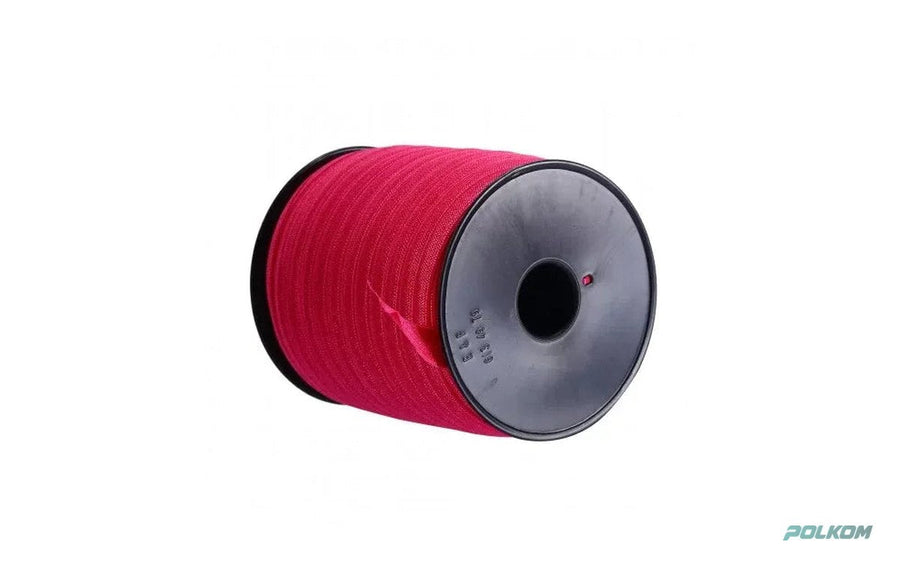
| Elastics and tapes | Recycled polyester, cotton | Composition, OEKO-TEX® |
| Packaging | Paper, kraft, recycled polyethylene | Composition and recyclability |
Buttons: natural or recycled
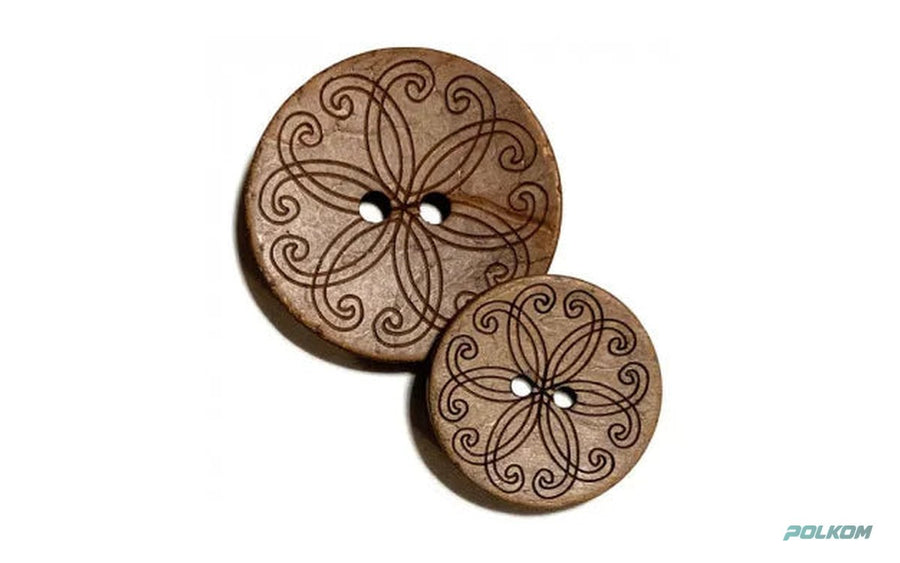
Corozo buttons are made from the tagua nut. It is a renewable plant material and the most popular choice for brands with a sustainable profile. Wood and coconut give a natural, rustic look. Recycled polyester is suitable when you need wash stability and a large run in one colour. Do not forget durability either. A strong button that does not break also reduces waste.
Nickel-free metal parts
Nickel is the most common cause of contact allergy from trims. At Polkom all metal products – buttons, eyelets, snap buttons, metal buckles, plates and rings – are nickel-free. Metal is also very durable, so it is often the better alternative to plastic buckles on bags and backpacks. Colours such as "nickel" or "silver" are only names for the look of the finish.
Zips, elastics and threads
The zip is one of the hardest components to recycle, because it combines tape, chain and slider. Choose zips with recycled tape and coil where possible, and order them in the fabric colour so no extra dyeing is needed. For elastics and tapes, look for recycled polyester or cotton. Threads are often overlooked, but they can be recycled polyester too. The key is that everything is listed in the bill of materials.
Labels and hang tags
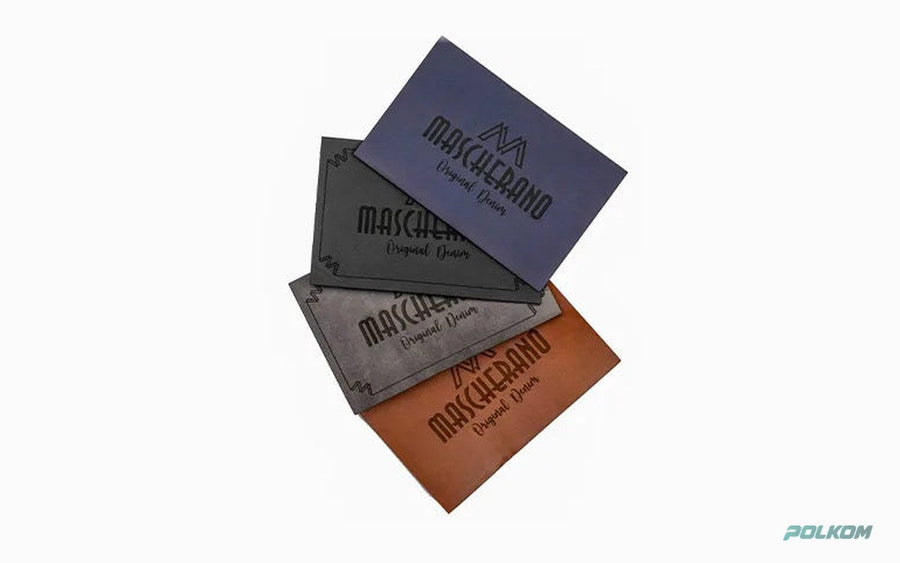
Textile labels can be woven or printed on recycled polyester or cotton. For hang tags, choose kraft or recycled board and avoid plastic lamination unless it is essential. Cotton string instead of plastic fasteners is another easy step.
Certificates: what each one means
- OEKO-TEX® – the product is tested for harmful substances. At Polkom the certificate covers all products. Read more in the article on OEKO-TEX Standard 100 for accessories.
- GRS (Global Recycled Standard) – traces the share of recycled material through the whole supply chain. Polkom holds GRS certification and offers recycled versions on inquiry. See what GRS means for accessories.
- REACH – the European chemicals regulation that applies to all products on the EU market.
You can request copies of the certificates, and there is more information on the certificates page.
How to document sustainable trims
- Make a list of all trims for each style (bill of materials).
- For each line, record the material, the manufacturer and the certificate.
- Ask the manufacturer for confirmation of the recycled content and copies of the certificates.
- Keep the documents with the order so you can show them to the retailer or during an audit.
- Communicate only what you can prove. Avoid general claims such as "eco" without documentation.
Common mistakes with sustainable trims
- Eco fabric with undocumented plastic trims – the most common inconsistency in collections.
- Claims without a certificate – "recycled" without GRS or other proof carries a risk of misleading advertising.
- Mixed materials – a button made of several bonded materials is hard to recycle. Where possible, choose a single-material trim.
- Fragile natural trims – a cheap wooden button that breaks in the wash is not a sustainable solution. Durability is part of sustainability.
- Forgotten packaging – a plastic bag and a laminated tag spoil the impression of an otherwise sustainable garment.
A good approach is to start with the trims the customer sees and touches first – buttons, hang tag and packaging. Then move on to inside labels, elastics and threads.
Polkom – manufacturer of sustainable trims
Polkom is a manufacturer of garment accessories with over 30 years of experience. We offer haberdashery and trims in natural and recycled materials, nickel-free metal parts, OEKO-TEX® certification for all products and GRS certification for recycled ones. The minimum order is generally 1,000 pcs per model, samples depend on the product, and production takes 10–20 days. Send a request for a quote or sample and tell us which trims you want to make more sustainable.