 Manufacturer · Fashion & Home Accessories





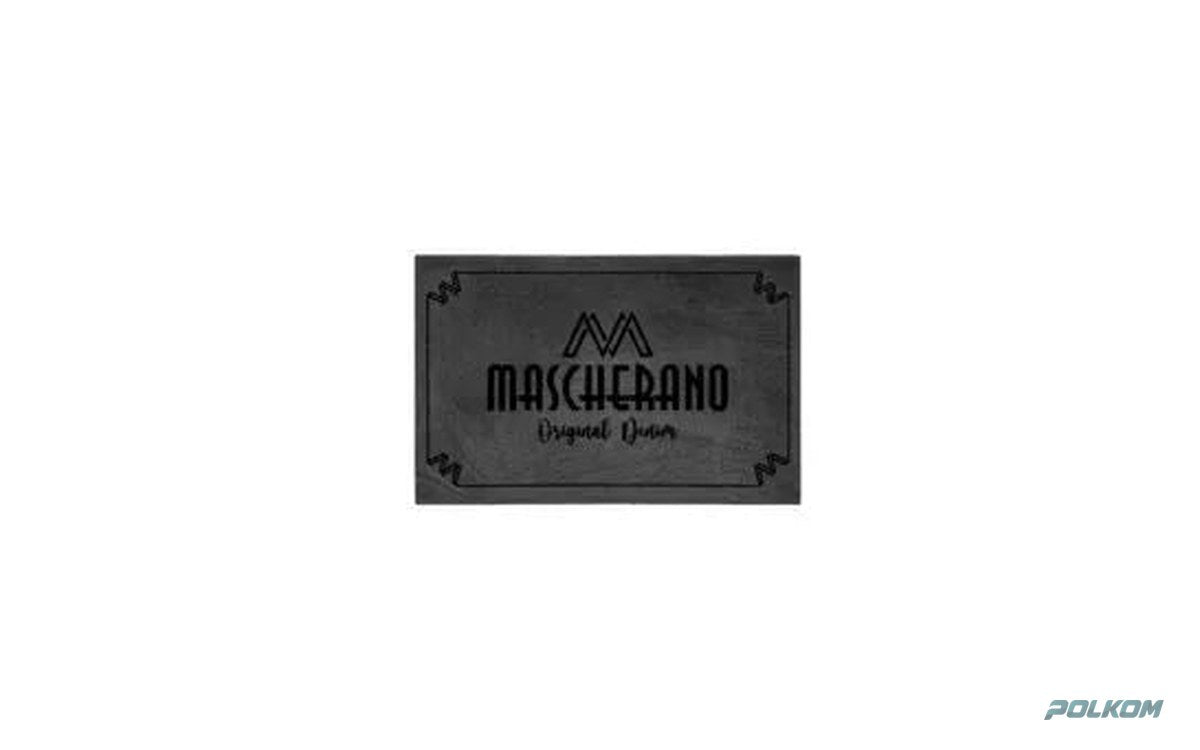
A leather label for jeans is usually placed on the back waistband, to the right of the centre seam, and sewn around its outline together with the waistband. The most common size is between 5 and 8 cm wide, and the material is genuine leather, faux leather (PU) or jacron – depending on the style of the model and how it will be washed. Below you will find specific guidance on size, placement, material and attachment.
Where a leather label goes on jeans
The classic position is the back waistband – on the wearer's right, between the centre back seam and the first belt loop. There the label is clearly visible when a shirt is tucked in and does not get in the way when sitting. There are also other options that brands use to stand out:
- Above the back pocket – a small patch sewn into or along the top edge of the pocket.
- On the coin pocket – a miniature label, often with just the brand symbol.
- On the belt loop – a narrow strip of leather wrapped around the loop, suitable for a minimalist design.
- On the side of the waistband – on denim skirts and shorts, where the back waistband is narrower.
The position must be decided before cutting, because it determines whether the label will be sewn to the waistband as a separate piece or built into the seam when the waistband is attached.
What size to choose
The size depends on the width of the waistband and the size range of the model. The label should not cover the full height of the waistband – leave at least 2–3 mm on each side so the stitching can run comfortably along the edge of the leather.
| Product | Usual label width | Usual height |
|---|---|---|
| Classic men's jeans (waistband about 4 cm) | 6–8 cm | 3–3.5 cm |
| Women's jeans with a narrower waistband | 4–6 cm | 2–3 cm |
| Children's jeans | 3–5 cm | 1.5–2.5 cm |
| Denim skirt or shorts | 4–6 cm | 2–3 cm |
If the collection includes many sizes, the same patch is usually used for all of them. For children's models, however, a smaller version makes sense so the label does not look out of proportion.
Material: genuine leather, faux leather or jacron
Jeans are washed often, so the label material is a decision that directly affects complaints.
Genuine leather
Gives the most authentic look and darkens and softens over time. When washed, it can shrink slightly and change tone – for many brands this is a desirable "worn-in" effect. Suitable for premium and vintage models.
Faux leather (PU)
Has consistent colour from batch to batch and more predictable behaviour in the wash. Almost any colour is easy to achieve. Suitable for large runs and for brands that do not use materials of animal origin.
Jacron
A cellulose-based material with a leather-like look, a classic on jeans. It is light, prints excellently and is cost-effective for large runs. It does not like high temperatures in drying and ironing.
Marking the logo
On jeans, the most common method is debossing – the logo is pressed in with a heated die and remains visible even after years of wear. Laser engraving is a good solution for fine lines and small lettering, while foil or ink printing adds contrast. In addition to the logo, the label often carries the size (W/L), the model or a pattern number – so the same patch also serves as a size label.
How it is attached to the waistband
- Sewing around the outline – the most common method. The stitching runs 2–3 mm from the edge, with thread matching the label or a contrasting thread that repeats the topstitching of the jeans.
- Sewing at the top and bottom only – faster, but the ends can curl after washing.
- Studs or rivets – at the corners of the label. This gives a workwear, industrial look and matches the pocket rivets.
If the label is made of thick genuine leather, use a denim needle in a size suited to the thickness and a longer stitch, so the leather does not tear between the needle holes.
Coordinating with the other accessories
The leather patch is only one of the elements that make up the look of the jeans. It is a good idea to coordinate the colour of the leather and the marking with the finish of the metal buttons and rivets – for example antique copper with brown leather or black nickel with black faux leather. Sourcing all accessories from one supplier makes it easier to coordinate colours and samples.
The leather patch and the other labels on jeans
The leather patch is the visible, "outer" sign of the brand, but it does not replace the mandatory information. The fabric composition and care symbols remain on a separate inside label, usually sewn into the waistband seam or the side seam. Many manufacturers also add a small woven label with the logo on the inside of the waistband – so the brand is visible even when the garment is turned inside out. Plan all labels together so there is no build-up of thick layers in one spot on the waistband, which makes sewing difficult and can be felt when worn.
Checklist before ordering
- The exact width of the finished waistband, not the pattern piece.
- The position of the label and the attachment method.
- Material according to washing and the brand's positioning.
- Marking technique and whether there will be a size or model number.
- Colour of the leather, the logo and the thread.
Leather labels for jeans from Polkom
Polkom is a Bulgarian manufacturer of garment accessories based in Sofia. We make leather labels for jeans to your design – from genuine leather, faux leather and jacron, with debossing, laser engraving or printing. We prepare a sample so you can try the label on a real garment before series production. Send your logo and dimensions via our inquiry form and we will get back to you with a quote.


