 Manufacturer · Fashion & Home Accessories











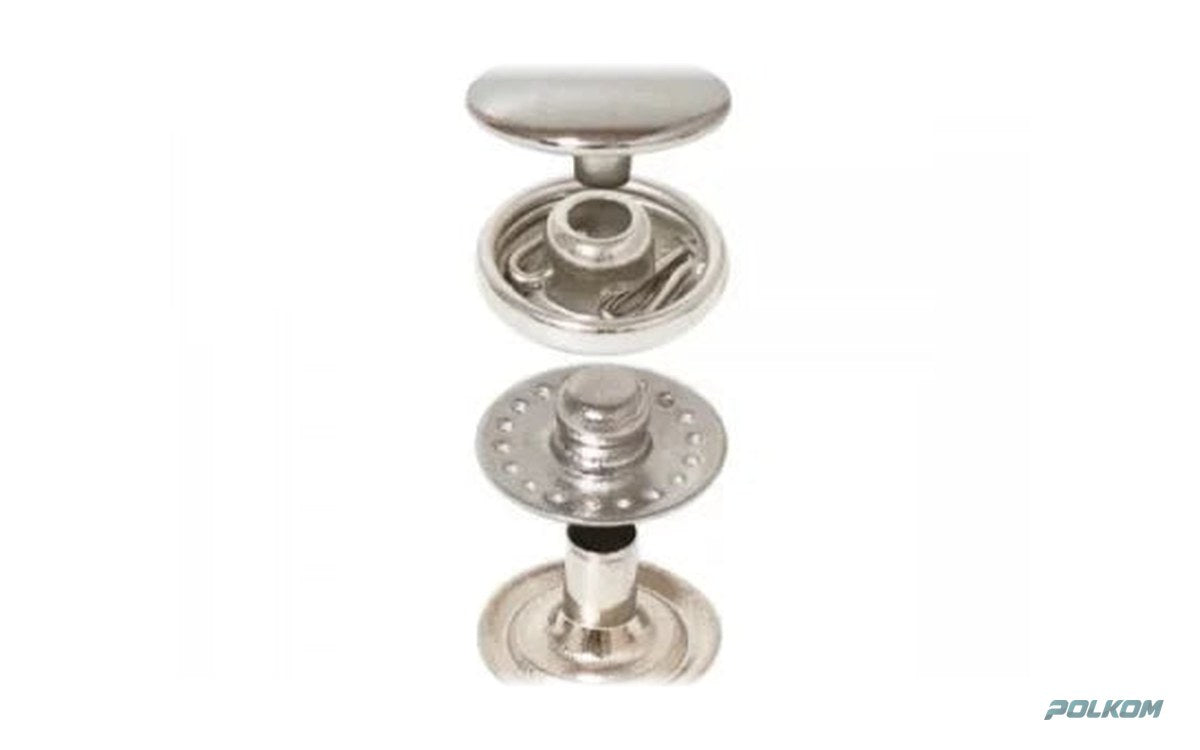
Snap button tape is a textile tape on which the press studs are pre-set at equal intervals – the top parts on one tape, the bottom parts on the other. The two tapes are sewn along the edges of the opening, for example on a duvet cover or pillowcase, so the closure is fitted with two seams, without punching and setting each snap individually. The solution is fast in production, even and easy to care for.
Where snap button tape is used
- Duvet covers – along the opening at the bottom edge; an alternative to a zip and to buttons with buttonholes.
- Pillowcases – on decorative and baby pillowcases.
- Lightweight duvets that button together – two duvets of different thickness are fastened to each other around the perimeter to make a warmer winter duvet.
- Baby clothes and sleeping bags – along the crotch and the front.
- Furniture and seat covers – removable upholstery covers that come off for washing.
- Medical and hospital textiles – where quick opening is required.
Advantages over individual snaps
When individual snap buttons are attached, each one is marked, punched and set separately, and the top and bottom parts must line up exactly. On a long opening, such as that of a duvet cover, this is slow and risky – one misplaced snap distorts the whole edge. Snap tape solves the problem: the spacing is uniform, the snaps are aligned, and fitting is an ordinary seam on a sewing machine. In addition, the tape takes the load and protects the thin fabric around the snaps.
Comparison with other closures for bed linen
| Closure | Advantages | Disadvantages |
|---|---|---|
| Snap button tape | fast fitting, easy fastening, even | metal parts when ironing |
| Zip | tight closure | can jam, harder to repair |
| Buttons with buttonholes | classic look | slower fastening and production |
| Hook and loop (Velcro) | very fast | catches other fabrics in the wash |
| Envelope flap opening | no accessories | can open |
How to choose snap button tape
Tape material
Cotton tape suits cotton bed linen and tolerates washing at high temperatures. Polyester and blended tape is more stable, does not shrink and is suitable for synthetic fabrics. Choose a tape whose shrinkage in the wash is similar to that of the main fabric – otherwise the edge will pucker.
Spacing between the snaps
On duvet covers, the snaps are usually spaced so that a hand can be slipped in but the duvet cannot slip out – often from a few centimetres up to about ten centimetres. On baby clothes the spacing is smaller. If there is no standard tape with the spacing you need, the snaps can be set on tape to your specification.
Snap size and type
For bed linen, 10–12.5 mm snaps with a soft spring are usually sufficient – they fasten easily and do not strain thin percale or sateen. For duvets that button together, where the greater weight pulls on the snaps, a stronger spring is chosen. All our metal finishes are nickel free, so they are also suitable for baby textiles; plastic snaps are an alternative.
Snap material
Metal snaps must be corrosion resistant, because bed linen is washed often and at high temperatures. Plastic snaps do not rust and are lighter, but have less holding power.
How the tape is sewn on
- Place the tape with the top parts (sockets) on one side of the opening and the tape with the bottom parts (studs) on the other.
- Fasten the two tapes together before sewing them on – this way you can be sure they line up along the whole length.
- Sew a straight seam along both edges of the tape, using a zip foot so you can stitch close to the snaps.
- Secure the ends with a backstitch or by binding so they do not fray.
Production mistakes
- the tape is sewn on unfastened and the snaps are a few millimetres out of line at the end of the opening;
- a tape is chosen that shrinks more than the fabric, and the edge puckers after the first wash;
- the spacing between the snaps is too large – the duvet slips out of the cover;
- the ends of the tape are not secured and fray;
- a spring that is too strong for thin sateen – the fabric tears when unfastened.
Washing and ironing
Covers and pillowcases with snap tape are washed fastened – this way the snaps do not catch and do not hit the drum. Iron around the snaps, not over them, especially with plastic ones. On the care label, state a temperature that both the fabric and the snaps can withstand.
All-season duvets with snap buttons
The “all-season duvet” system consists of two duvets – a thinner summer one and a thicker in-between one – that are fastened to each other at the corners or around the whole perimeter. Here the snaps carry the weight of the filling and are opened less often, but with greater force. That is why metal snaps with a stronger spring are chosen, set on a strong tape or a reinforced edge. Provide snaps in the corners as well, where the load is greatest.
You will find suitable tapes in the ribbons and tapes category, and for an alternative closure – hook and loop (Velcro). Individual snaps in different sizes are in the snap buttons category.
Solutions from Polkom
Polkom is a Bulgarian manufacturer of snap buttons, tapes and accessories for textiles. We can offer snaps and tapes for your home textiles, samples and a setting service. Send an inquiry via the contact page with the size of the item and the spacing you need.




