Manufacturer · Fashion & Home Accessories











Contents
Metal buttons for clothing are both a fastening and a mark of quality. They withstand heavy use, give outerwear weight and presence, and are the best place for a brand logo. In this guide we have brought together the types of metal buttons, materials, finishes and sizes, plus practical advice on which button to choose for which garment. Polkom is a manufacturer of metal buttons for brands, garment factories and ateliers across Europe.
Types of metal buttons by attachment
The first question is not the colour but how the button is attached to the fabric. It also determines the technology used in the sewing room.
- Shank buttons – sewn on through a small loop on the back. The face stays smooth and can carry a relief or logo across its whole surface. A classic for jackets, blazers and coats. More in the article metal shank button.
- Sew-through buttons – two or four holes, sewn on like a regular button; suitable for shirts, cardigans and light jackets.
- Jeans buttons – fitted with a tack and a press, no sewing. See types and sizes of metal jeans buttons.
- Combination buttons – metal with enamel, a polyester insert or a decorative rim.
- Covered buttons with a metal base – covered with fabric or leather for a perfect match with the garment.
If you are looking for a sew-free fastening for jackets, children's wear and workwear, also take a look at our snap fasteners.
Materials: what metal buttons are made of
The metal determines the weight, the level of relief detail and how the button behaves in the wash. All Polkom metal buttons are nickel free.
| Material | Character | Typical use |
|---|---|---|
| Brass | corrosion resistant, well suited to stamping | blazers, shirts, high-end garments |
| Zinc alloy | die-cast, deep and detailed relief | coats, jackets, solid logo designs |
| Aluminium | lightweight metal | large buttons, garments where weight matters |
| Steel | strength under load | some types of denim buttons |
You will find a detailed comparison in the article brass or zinc alloy buttons, and the difference in technology in stamped or cast metal buttons.
Finishes and colours
The finish defines the style of a button just as much as its shape. The most popular options are:
- nickel colour, black nickel and gun metal;
- gold, light gold and antique brass;
- antique silver, bronze and copper;
- oxidised and patinated finishes with an aged look;
- matt, glossy or satin finish;
- coloured enamel and lacquer to fill the relief.
The "nickel" colour is only a look – both the base metal and the plating are nickel free. The palette with codes is on the Colours and finishes page, and a comparison of finishes is in the article metal button finishes.
Sizes: how metal buttons are measured
Button diameter is given in lignes (L), where 1L = 0.635 mm. As a guide:
| Size | Approx. | Used for |
|---|---|---|
| 14L–18L | 9–11.5 mm | shirts, blouses, cuffs, collars |
| 20L–24L | 12.5–15 mm | skirts, trousers, waistcoats, jacket sleeves |
| 28L–32L | 18–20 mm | jacket fronts, outer jackets, suits |
| 36L–44L | 23–28 mm | coats and heavy outerwear |
Which metal button for which garment
Jackets and blazers
Shank buttons in gold, antique brass or silver, often with a crest, anchor or monogram. The front is usually 30L–32L, the sleeves 24L.
Coats and outer jackets
Larger, more solid zinc alloy designs. Pay attention to weight – a heavy button can pull a fine fabric out of shape.
Jeans and workwear
Tack buttons fitted with a press, and finishes that withstand washing and abrasion.
Shirts and knitwear
Light stamped sew-through buttons or buttons with a small shank, so they do not pull on the fabric or the stitches.
Metal buttons with a logo
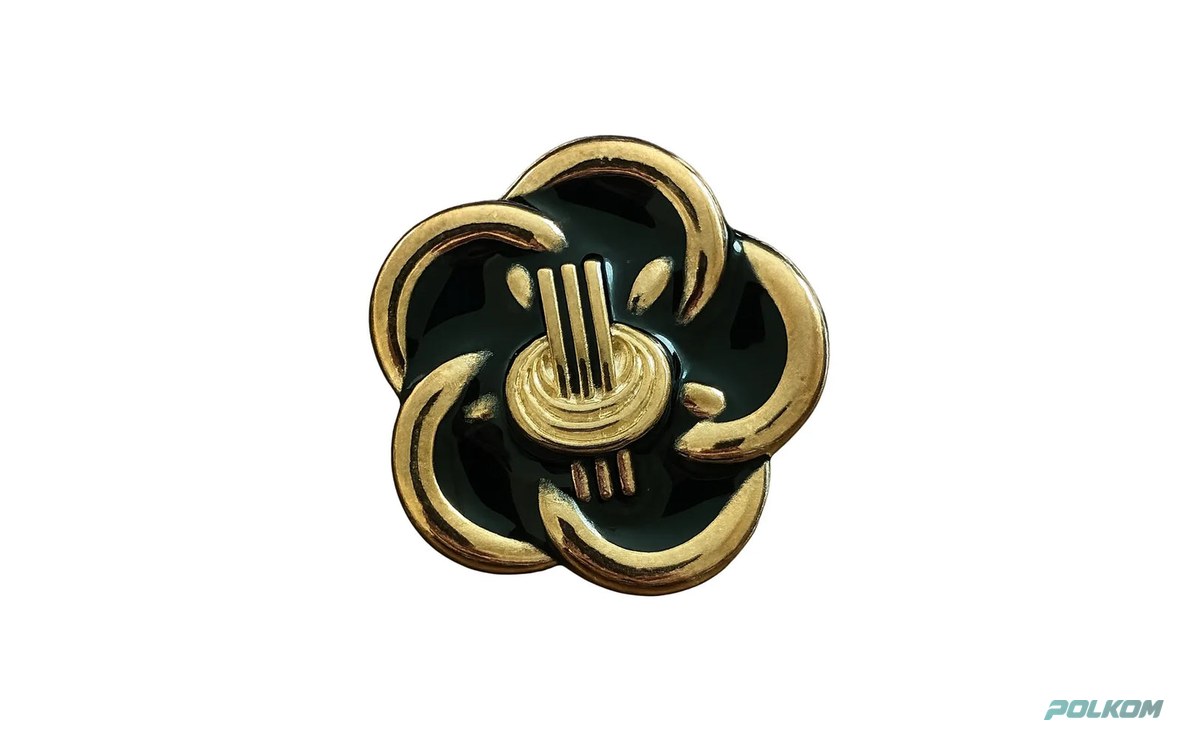
The logo can be raised or recessed, cast or stamped, laser engraved, run as lettering around the rim or filled with enamel in your brand colours. We explain how production works in the article metal buttons with logo, and you can see examples in the engraved buttons collection.
Common mistakes when choosing metal buttons
- A finish that differs from the other metal parts – the buttons, zip, eyelets and buckles on one garment should share the same tone, otherwise the piece looks as if it was assembled from different batches.
- A heavy button on a light fabric – a solid zinc alloy button sags and pulls the fabric; for shirts and fine jackets choose a lighter stamped button.
- A shank with no room for the fabric – on thick wool fabrics the shank needs to be taller, or the button should be sewn on with a thread shank.
- Ordering without a reserve – add a few per cent of spare buttons for production losses and repairs.
- No sample – approve the sample on the actual fabric, in daylight, before releasing the production run.
How to order metal buttons from Polkom
Send us the garment type, the size in lignes, the finish you want and your logo in vector format. We offer a stock design or make a sample to your own design. The minimum quantity for custom production is 1000 pcs per design, a sample costs 50–100 €, and the production run is ready 10–20 days after sample approval. We deliver across Europe, and our products are OEKO-TEX® certified. Browse all designs in the metal buttons collection.
Share this article